Humidity is the constant companion of every house in the New Orleans area. It works on paint, swells wood, feeds mold and finds its way into any gap in the exterior. Choosing siding here is less about picking a color and more about choosing a system that keeps water out of the walls for decades.
Below, we compare the most common siding materials and explain the parts of the wall that matter just as much as the cladding you see. The right choice depends on your home, your budget and how long you plan to stay. The right choice depends on your home, your budget and how long you plan to stay.
What humidity does to a wall
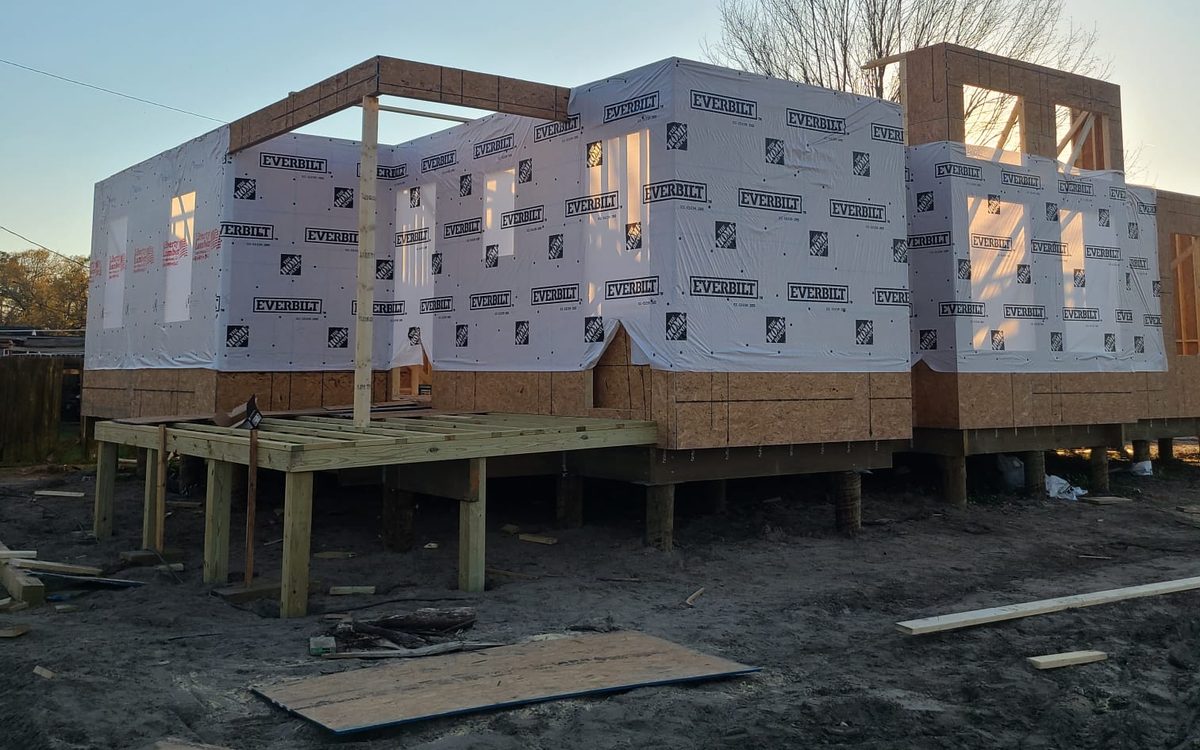
Moisture reaches walls from two directions. Rain driven by wind gets past the siding at joints, laps and openings, and water vapor from inside the house moves outward through the wall. When either one gets trapped, sheathing and framing stay damp long enough to rot.
A well-built wall accepts that some water will get behind the siding and gives it a way out. That is the job of the weather-resistive barrier and the flashing at every window, door and penetration.
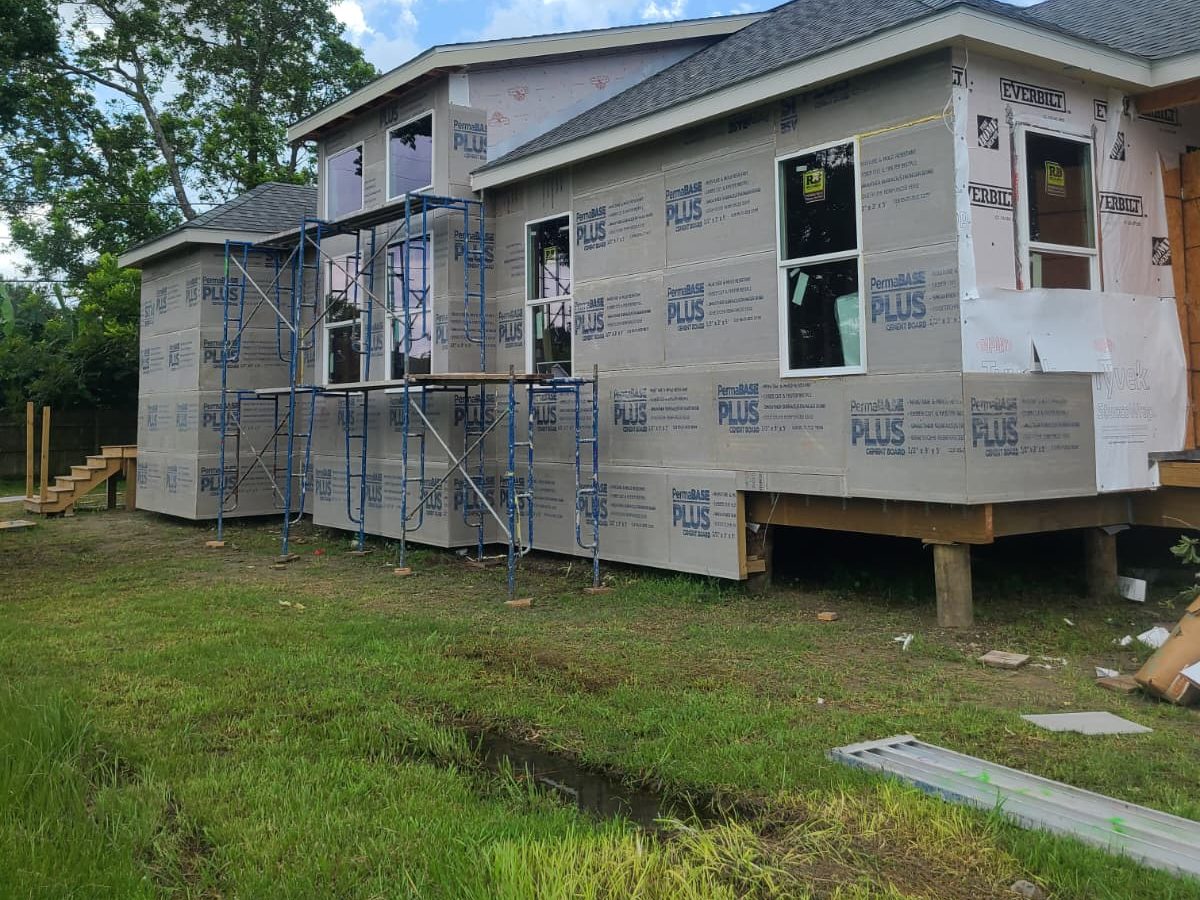
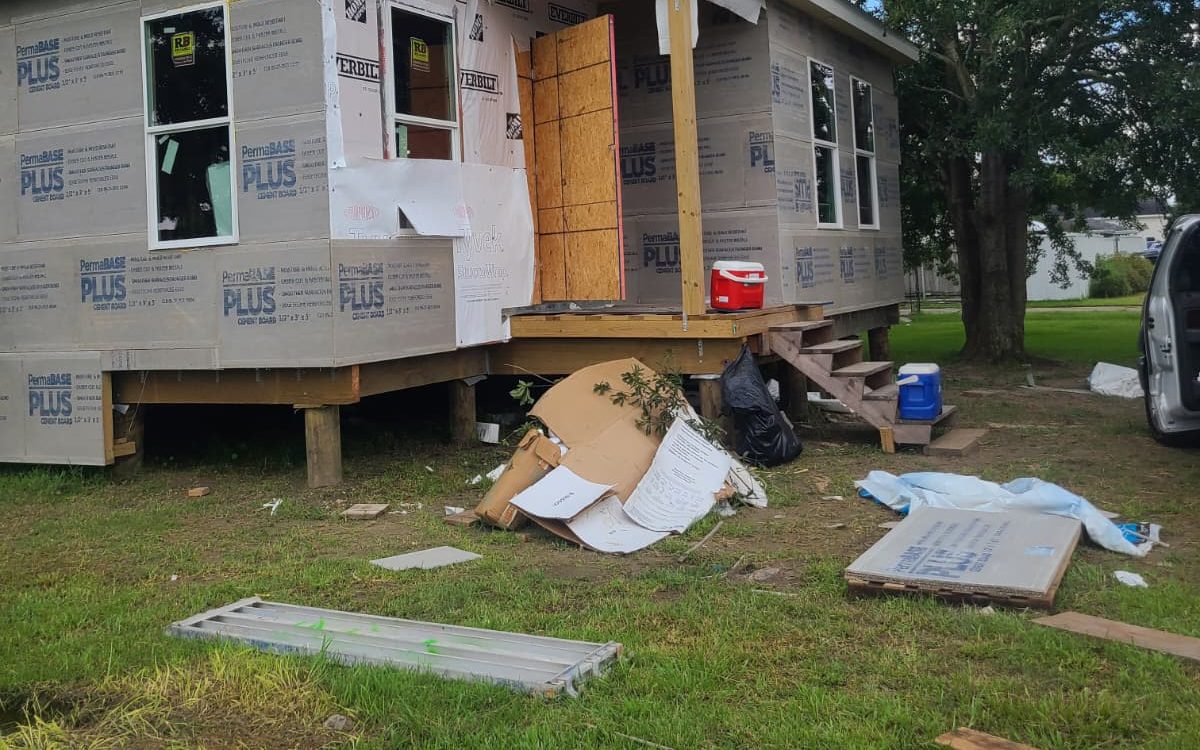
Fiber cement
Fiber cement is made from cement, sand and cellulose fibers. It does not rot, insects do not eat it and it resists fire well. It holds paint for many years, and many products come pre-finished from the factory. For storm-prone, humid areas, it is one of the most durable options available.
The trade-offs are weight and installation complexity. Fiber cement requires specific cutting methods, careful handling and adherence to the manufacturer's clearance and fastening rules. The material costs more than vinyl, and labor does too.
Where it fits best
Fiber cement suits homeowners planning to stay long-term, historic-style homes that need the look of painted wood and new construction where durability is the priority.
Vinyl siding
Vinyl is the budget-friendly, low-maintenance choice. It never needs paint, cleans with a garden hose and comes in many profiles and colors. Modern premium vinyl is thicker and more rigid than the products many people remember.
Vinyl expands and contracts with heat, so it must be hung loosely enough to move. Installed too tight, it buckles; installed carelessly, it can loosen in high winds. Darker colors can absorb more heat, so color choice deserves some thought under the Louisiana sun.
Engineered wood
Engineered wood siding uses wood strands bonded with resins and treated against moisture and insects. It offers the warm look of wood at a lower weight than fiber cement and installs with familiar tools.
Its long-term performance depends heavily on keeping cut edges sealed and the paint maintained. In very wet locations, such as near grade or under roof runoff, careful detailing matters even more.
A quick comparison
Fiber cement leads on durability, vinyl on low maintenance and cost, and engineered wood on appearance and ease of installation. Your priorities decide the ranking.
Paint, color and the Louisiana sun
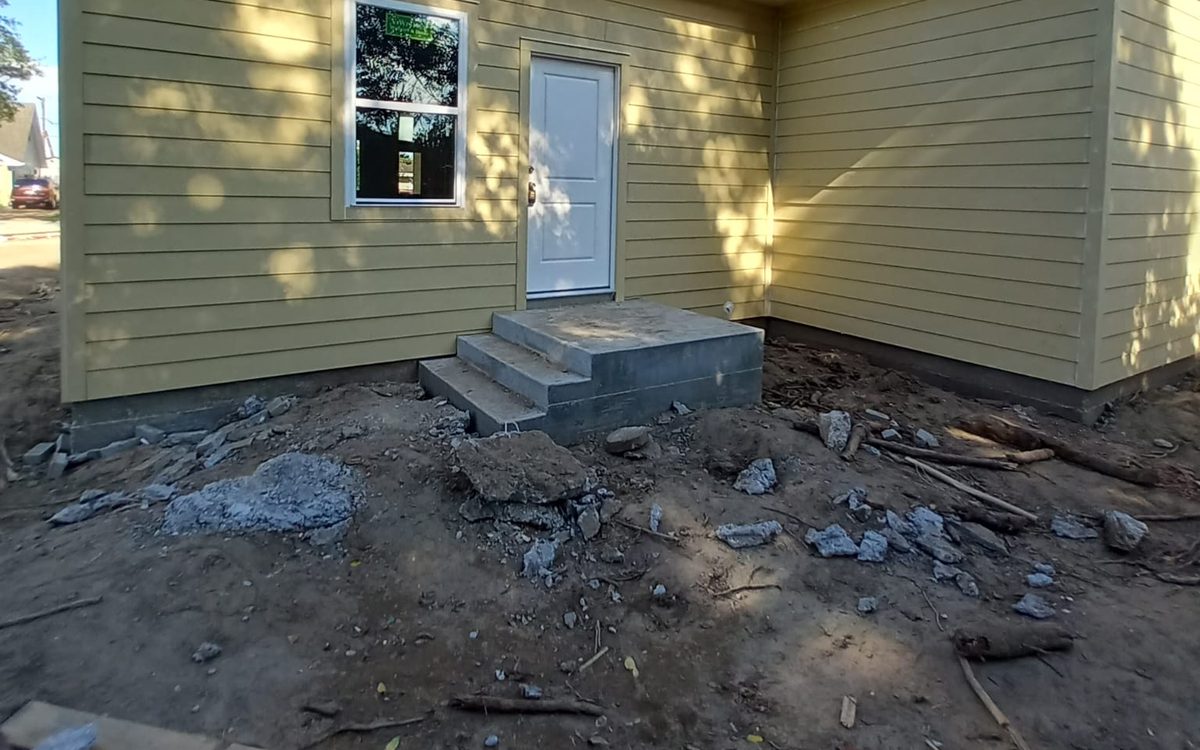
Color affects more than curb appeal. Dark colors absorb more heat, which can stress some siding materials and speed up fading. Many manufacturers offer finishes formulated for strong sun, and pre-finished products often carry separate warranties on the color itself.
For painted fiber cement and engineered wood, the quality of the paint and the preparation of cut edges decide how long the finish lasts. Plan on periodic repainting as part of ownership, and choose a color you will still like in ten years.
Weighing cost against long-term value
The lowest installed price is rarely the lowest lifetime cost. Consider how long you plan to stay in the home, how much maintenance you are willing to do and how the material will look after several hurricane seasons.
A durable product installed over a properly detailed wall can protect the structure for decades, while a cheaper option installed carelessly can lead to rot repairs that cost more than the siding itself. Ask for the full scope, including barrier and flashing work, before comparing prices.
The details that matter regardless of material
Whatever siding you choose, ask how the weather barrier will be lapped, how windows and doors will be flashed, how much clearance will be left above the ground and roofs, and how penetrations such as lights and vents will be sealed. These are the places where walls fail.
Also ask what happens if damaged sheathing is found when the old siding comes off. In older homes it is common, and a good contractor will show it to you and repair it before covering it up.
Paint, color and the Louisiana sun
Color affects more than curb appeal. Dark colors absorb more heat, which can stress some siding materials and speed up fading. Many manufacturers offer finishes formulated for strong sun, and pre-finished products often carry separate warranties on the color itself.
For painted fiber cement and engineered wood, the quality of the paint and the preparation of cut edges decide how long the finish lasts. Plan on periodic repainting as part of ownership, and choose a color you will still like in ten years.
Weighing cost against long-term value
The lowest installed price is rarely the lowest lifetime cost. Consider how long you plan to stay in the home, how much maintenance you are willing to do and how the material will look after several hurricane seasons.
A durable product installed over a properly detailed wall can protect the structure for decades, while a cheaper option installed carelessly can lead to rot repairs that cost more than the siding itself. Ask for the full scope, including barrier and flashing work, before comparing prices.
The bottom line
Fiber cement, vinyl and engineered wood can all serve a Metairie home well. The difference between a wall that lasts and one that rots is usually the barrier, the flashing and the care taken at every opening. Choose the material that fits your priorities, and insist on a scope that describes what goes behind it.
The bottom line
Fiber cement, vinyl and engineered wood can all serve a Metairie home well. The difference between a wall that lasts and one that rots is usually the barrier, the flashing and the care taken at every opening. Choose the material that fits your priorities, and insist on a scope that describes what goes behind it.
Planning work like this in Metairie, Kenner or New Orleans? Learn about our siding, roofing services or request an estimate.
Frequently asked questions
Fiber cement generally offers the longest life in hot, humid, storm-prone conditions when installed correctly and maintained.
Siding itself adds little insulation, but replacing it is an opportunity to add an air barrier or insulated sheathing, which can improve comfort and efficiency.
Rinse it once or twice a year with a garden hose and a soft brush, and trim plants back so air can circulate along the wall.
It is sometimes done, but removing old siding lets the contractor inspect and repair the sheathing and install a proper weather barrier, which is the better approach in a humid climate.
It is sometimes done, but removing old siding lets the contractor inspect and repair the sheathing and install a proper weather barrier, which is the better approach in a humid climate.
Related services
Siding
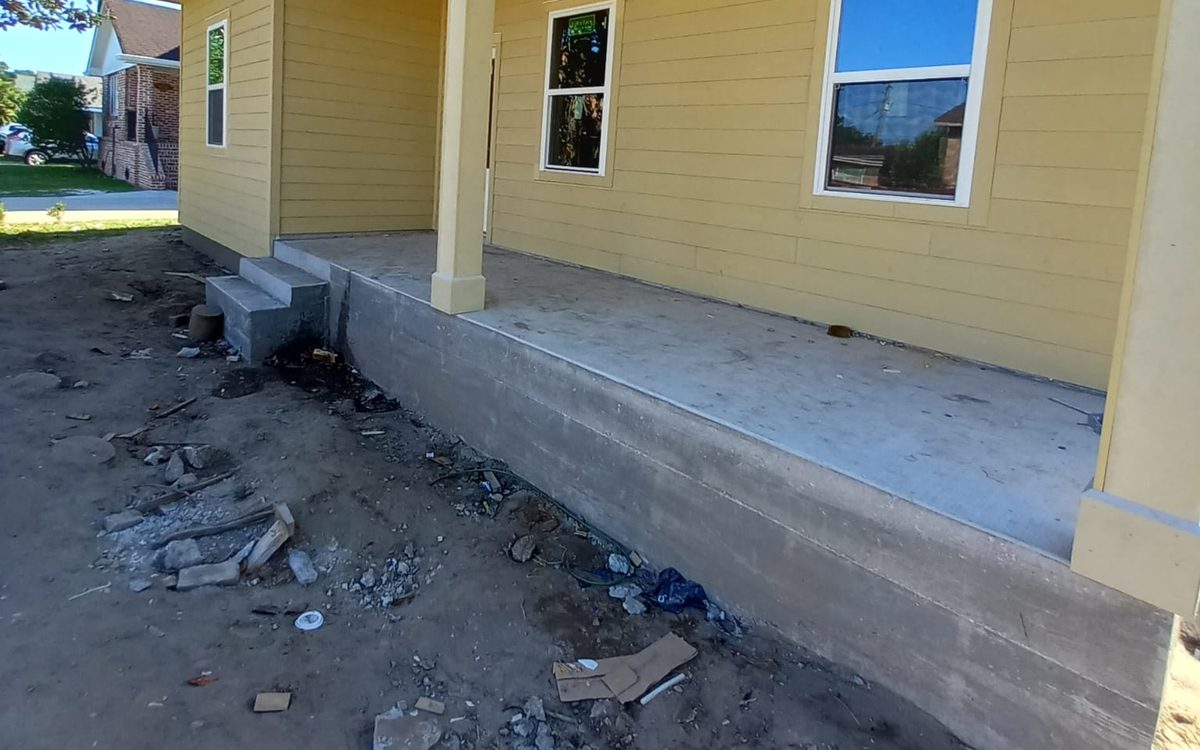
Fiber cement, vinyl and engineered wood siding over correctly lapped weather barriers and flashed openings.
View siding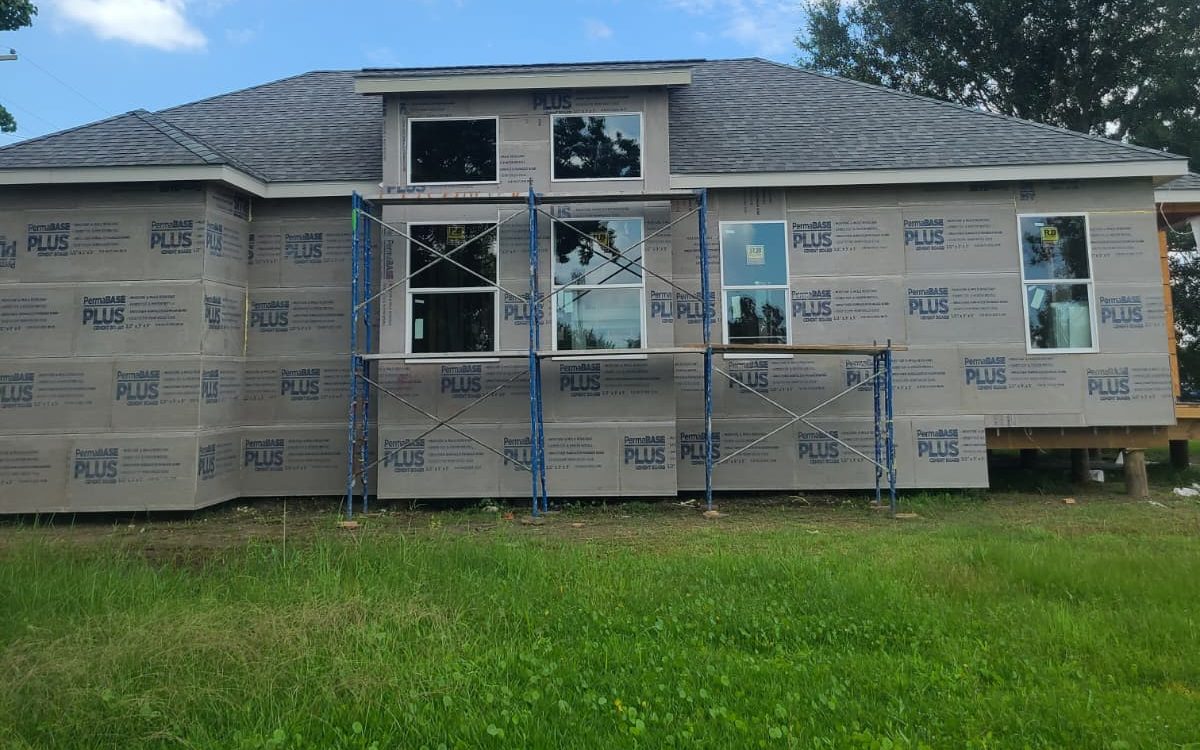
Roofing
Replacements, repairs and storm response with full-system inspections, correct flashing and balanced attic ventilation.
View roofing
Written by the Oliver Nola team
A Metairie construction and renovation company with more than 25 years of experience in new homes, foundations, roofing, siding, concrete and remodeling across the New Orleans area.