
Foundation construction and repair for Metairie's shifting soils
New slabs, raised pier-and-beam systems and careful repairs for homes that have started to settle, always starting with the cause.
Foundations with Oliver Nola
A house is only as sound as what it sits on, and in Metairie that question gets tested every year. The area's soft, clay-rich soils shrink in dry spells and swell when saturated, and many neighborhoods sit at or near sea level. Over time those movements show up as cracked slabs, sticking doors, sloping floors and gaps around windows. Oliver Nola builds new foundations and repairs existing ones with those soil conditions in mind.
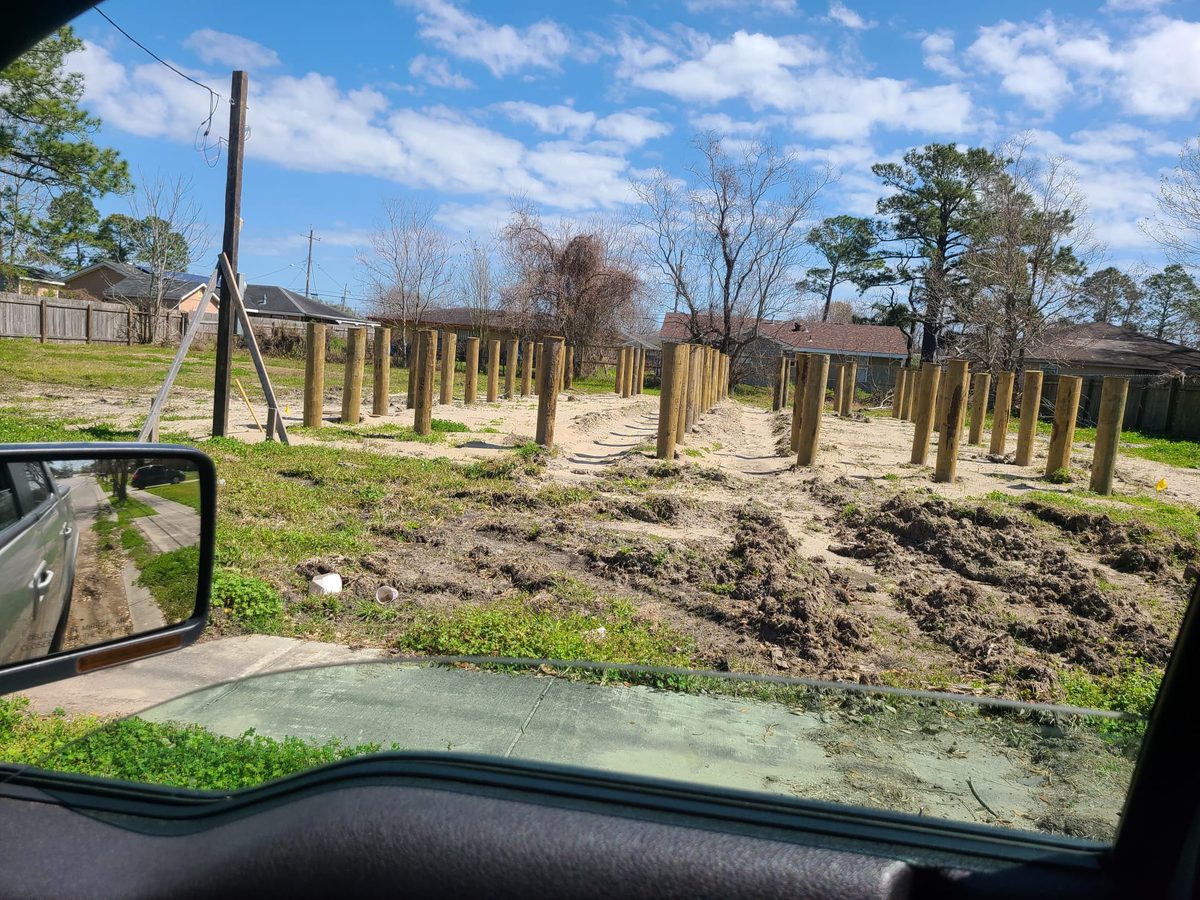
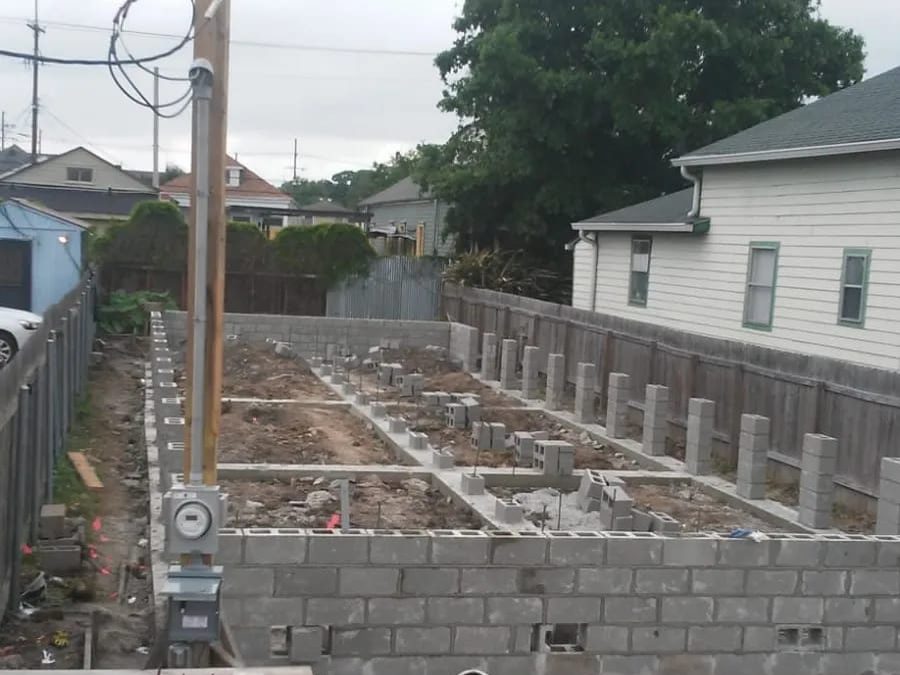
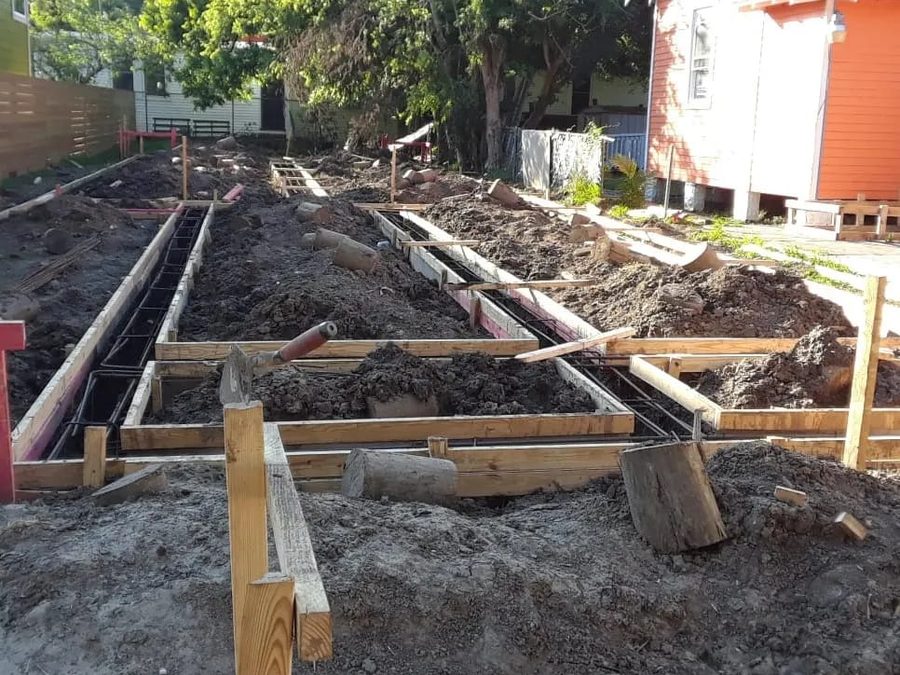
For new construction and additions, we form and pour slab-on-grade foundations, build raised pier-and-beam systems and prepare foundations to an engineer's specifications, including deeper support where the soil requires it. We pay close attention to grading and drainage around the footprint, because managing water matters as much as the concrete itself.
For existing homes, the work starts with understanding the cause. A crack in a slab can be harmless shrinkage or a sign of ongoing settlement, and treating the symptom without the cause rarely lasts. We inspect the structure, document what we find and, when the situation calls for it, work with a structural engineer so the repair rests on a design rather than a guess.
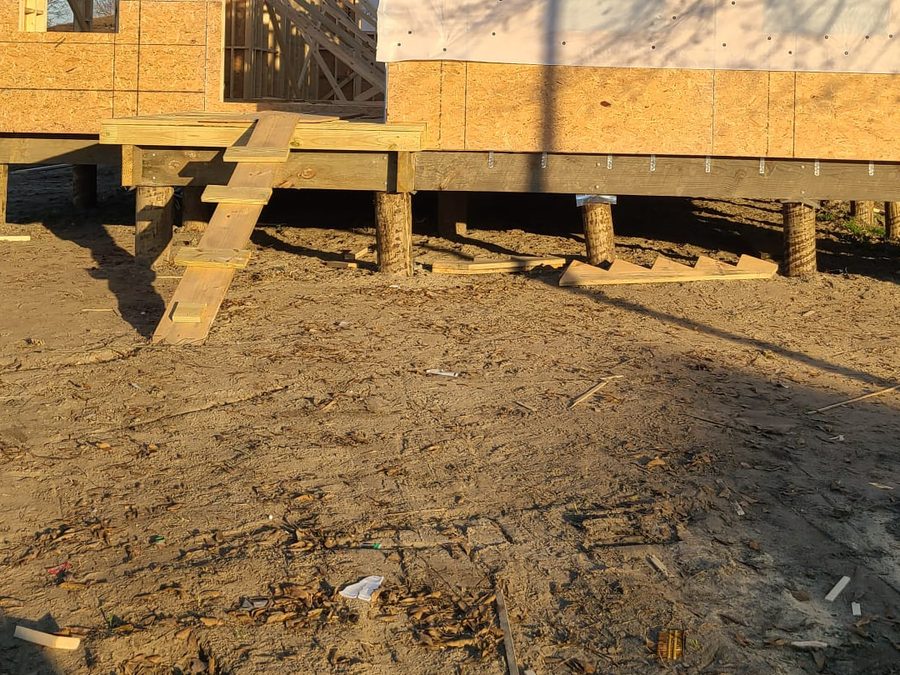
Pier-and-beam homes, common in older parts of New Orleans, Metairie and Harahan, have their own needs: replacing deteriorated piers, sistering or replacing sills and beams, re-leveling floors and improving crawl space ventilation. These repairs often bring back doors that close properly and floors that feel solid underfoot.
Foundation work is disruptive by nature, so we plan it carefully. We explain how long the work will take, what access we need, how utilities may be affected and what the property will look like when we leave. The goal is a stable house and a yard that is restored, not torn up.
Many homeowners call us only after a problem has been building for years. If you are buying a home, planning an addition or simply noticed a new crack, an early assessment costs far less than a repair delayed until floors and walls are damaged.
Many homeowners call us only after a problem has been building for years. If you are buying a home, planning an addition or simply noticed a new crack, an early assessment costs far less than a repair delayed until floors and walls are damaged.
Planning more than one project? See how this service connects with new construction and concrete work, or read answers on our FAQ page.
Benefits of working with us on foundations
Cause before cure
We identify why the movement is happening before recommending any repair, so the fix addresses the real problem.
Engineer collaboration
When a repair or new foundation needs a stamped design, we build to it exactly and coordinate the inspections.
Soil-aware construction
Forming, reinforcement and drainage are planned around local clay and water table conditions.
Pier-and-beam experience
Older raised homes get repairs suited to their framing, not methods borrowed from slab houses.
Drainage in the plan
Grading and runoff are addressed so water stops undermining the work after we leave.
Documented results
Photos and notes record the condition before, during and after the job for your files and future buyers.
What is included
Inspection
- Visual assessment inside and out
- Floor elevation readings
- Crack and gap documentation
- Drainage and grading review
New foundations
- Slab-on-grade forming and pour
- Pier-and-beam construction
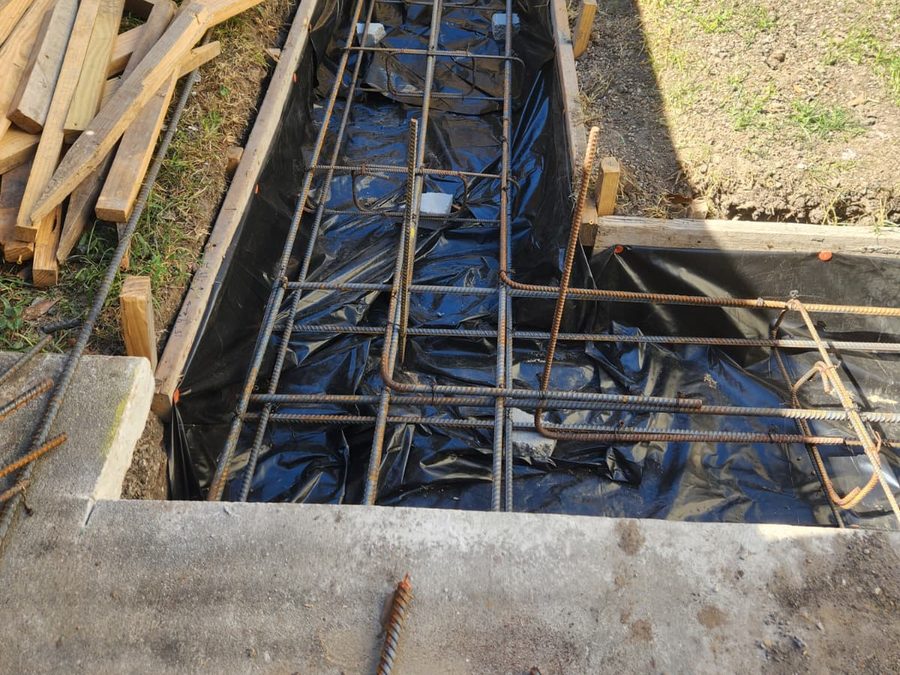
- Reinforcement per plan
- Vapor barrier installation
Repairs
- Pier replacement and shimming
- Sill and beam repair
- Floor re-leveling
- Engineer-specified structural repairs
Site restoration
- Excavation backfill
- Final grading
- Debris removal
- Walkthrough of completed work
Our foundations process
Assessment visit
We inspect the home, take elevation readings and talk with you about what you have noticed and when it started.
Diagnosis report
You get a clear explanation of the likely cause, the repair options and whether an engineer's evaluation is recommended.
Repair plan and estimate
Scope, timeline, access needs and price are put in writing before any excavation begins.
Structural work
Our crew completes the foundation or repair work in sequence, protecting landscaping and utilities as we go.
Verification and cleanup
We re-check elevations, restore the work area and review the results with you on site.
Why hire a professional
Foundation problems are easy to misread. Some cracks are harmless and some are early warnings, and an inexperienced repair can shift stress onto another part of the structure. A contractor who has seen many failure patterns knows which signs matter and when to bring in an engineer.
The work itself carries real risk: excavation near utilities, temporary support of loaded framing and concrete that has to be placed correctly the first time. Professional crews have the equipment, sequencing and inspection experience to do it safely.
An experienced contractor also knows how to sequence foundation work with everything above it, so repairs to floors, doors and finishes happen after the structure is stable rather than before.
An experienced contractor also knows how to sequence foundation work with everything above it, so repairs to floors, doors and finishes happen after the structure is stable rather than before.
Real projects
Foundations questions
Common signs include doors and windows that stick, cracks in drywall above door frames, sloping floors, gaps between walls and ceilings, and stair-step cracks in brick. One sign alone is not always serious, but several together are worth an inspection.
No. Thin shrinkage cracks are normal as concrete cures. Wider cracks, cracks where one side sits higher than the other, or cracks that keep growing are the ones that deserve a closer look.
South Louisiana has expansive clay soils and a high water table. The ground shrinks when dry and swells when wet, and that repeated movement places stress on foundations over time.
Not for every job. For significant settlement, structural repairs or new foundations that require a stamped design, we recommend an engineer's evaluation and build to their specifications.
Yes. We re-level raised homes by repairing or replacing piers and adjusting supports, and we repair damaged sills and beams when they are part of the problem.
Smaller pier and leveling jobs can take a few days. Larger repairs or new foundations take longer and depend on engineering, permits and weather. Your estimate includes a projected timeline.
Some disturbance is unavoidable when excavating, but we plan access carefully, protect what we can, and regrade and clean the work area when we finish.
Related services
New Construction
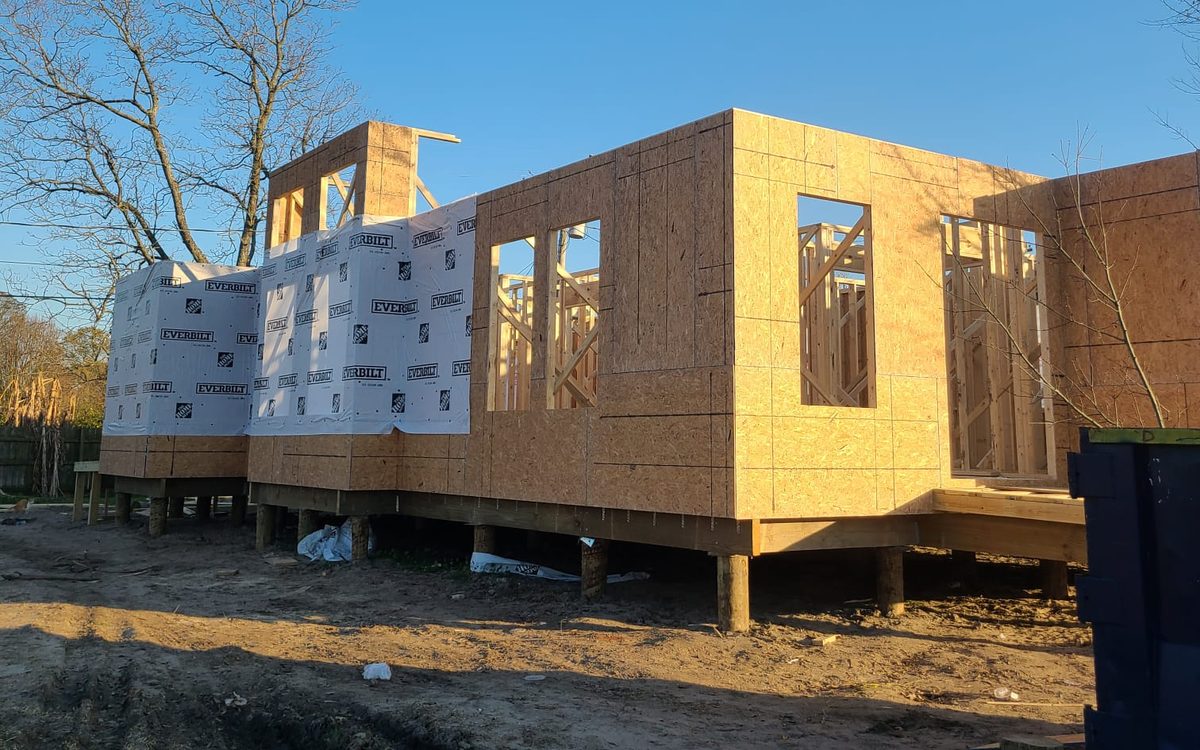
Custom homes and large additions built from the foundation up, with phase walkthroughs and a schedule you can follow.
View new construction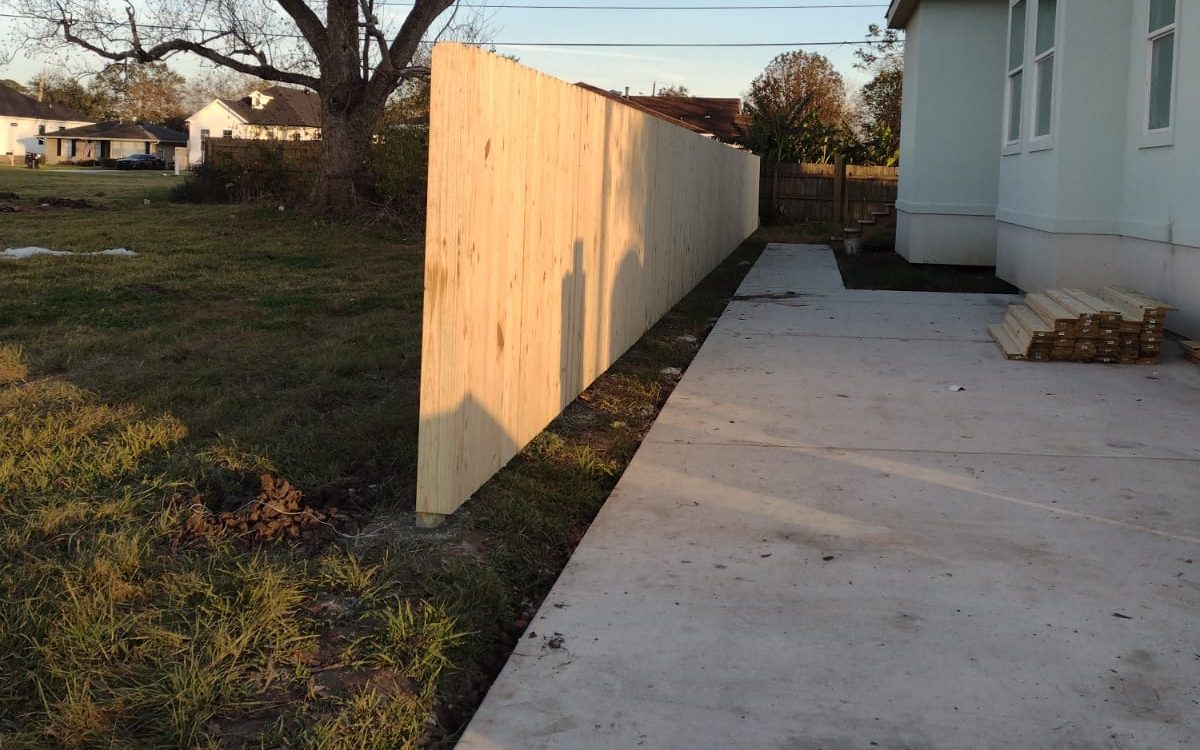
Concrete Work
Driveways, patios, sidewalks and slabs with proper base preparation, planned drainage and controlled joints.
View concrete work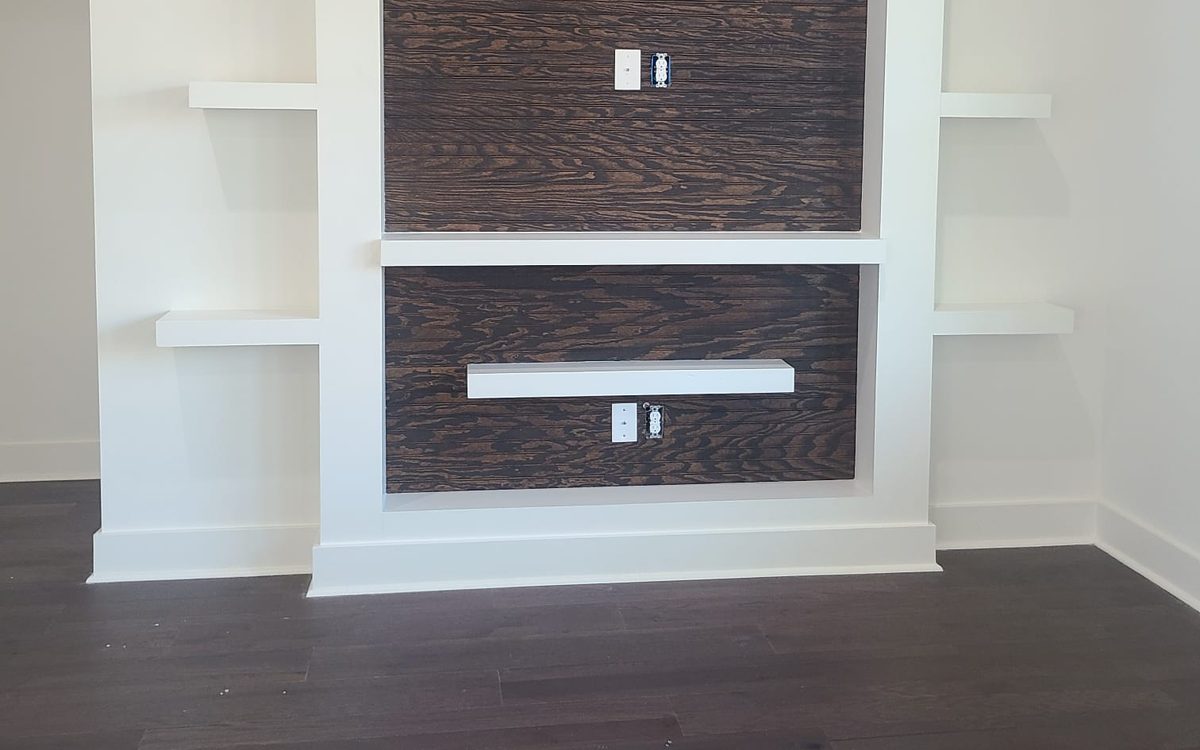
General Renovations
Layout changes, wall removals, flooring, trim and paint for older homes, scoped honestly around your budget.
View general renovationsService coverage
We provide foundations throughout these communities. Contact us to confirm your address.
- Metairie
- New Orleans
- Kenner
- Harahan
- River Ridge
- Jefferson
- Gretna
- Harvey
- Westwego
- Chalmette
Planning foundations work?
Share a few details and we will arrange a visit and a written estimate.