Ask around any neighborhood in Metairie or Harahan and you will find someone dealing with a door that will not latch, a crack that keeps growing or a floor that slopes toward one corner. Foundation movement is a fact of life on South Louisiana soils, but not every symptom means trouble.
This article explains why local foundations move, which signs to watch for, how to tell the cosmetic from the structural and what a professional evaluation looks like. Knowing what to look for helps you act early, when repairs are simpler. Knowing what to look for helps you act early, when repairs are simpler.
Why foundations move here
Much of the New Orleans area sits on soft clays that change volume with moisture. During wet months they swell and push upward; during dry spells they shrink and pull away, leaving parts of a slab or pier system unsupported. A high water table, subsidence and old drainage patterns add to the movement.
Trees play a role too. Large roots draw moisture from the soil near a house, and that drying can cause localized settlement. Gutters that dump water at the foundation, or grading that slopes toward the house, can do the opposite and oversaturate the soil in one area.
Signs to look for inside the house
Doors and windows are early indicators. When a frame shifts out of square, doors rub at the top corner, latches stop lining up and windows bind. Cracks in drywall that run diagonally from the corners of doors and windows are another common sign of movement.
Floors tell the story as well. A marble that rolls steadily to one side, gaps opening between the floor and baseboards, or tile cracking in a line across a room all suggest the structure below has moved.
When to start keeping notes
If you notice any of these, write down the date, take photos and put a pencil mark at the end of each crack. Over a few months, that simple record shows whether the movement is active, which is one of the most useful things a contractor or engineer can know.
Signs to look for outside
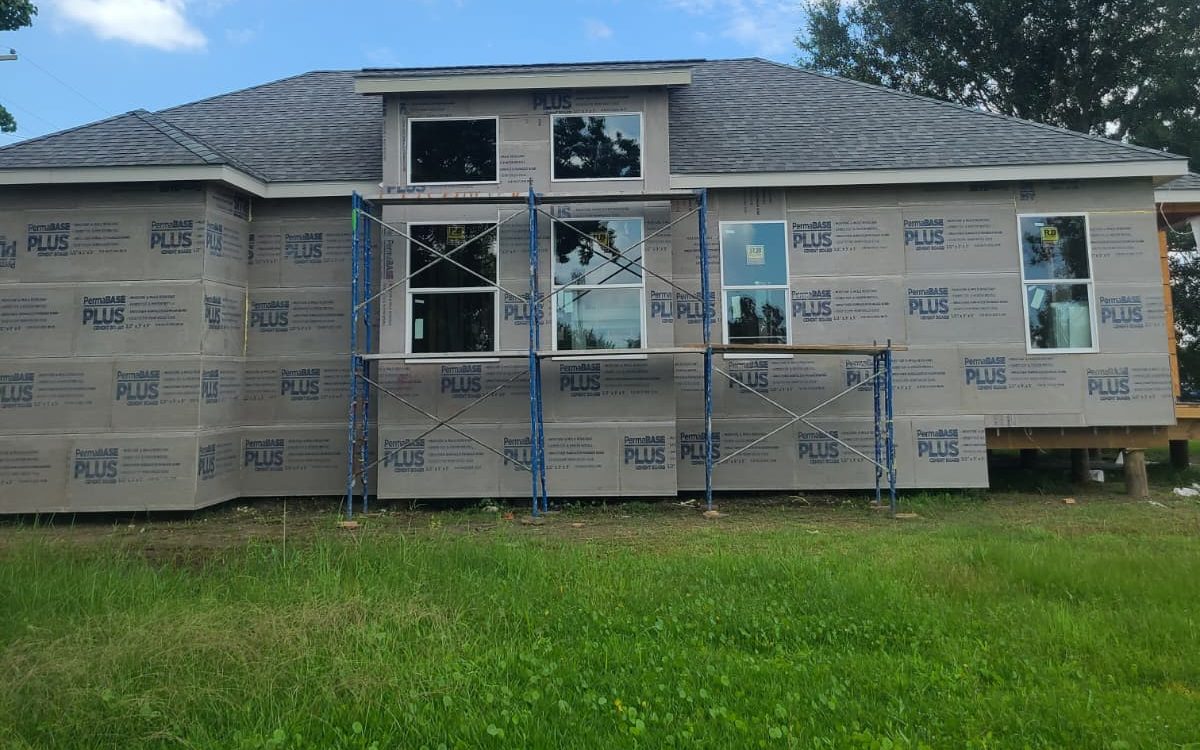
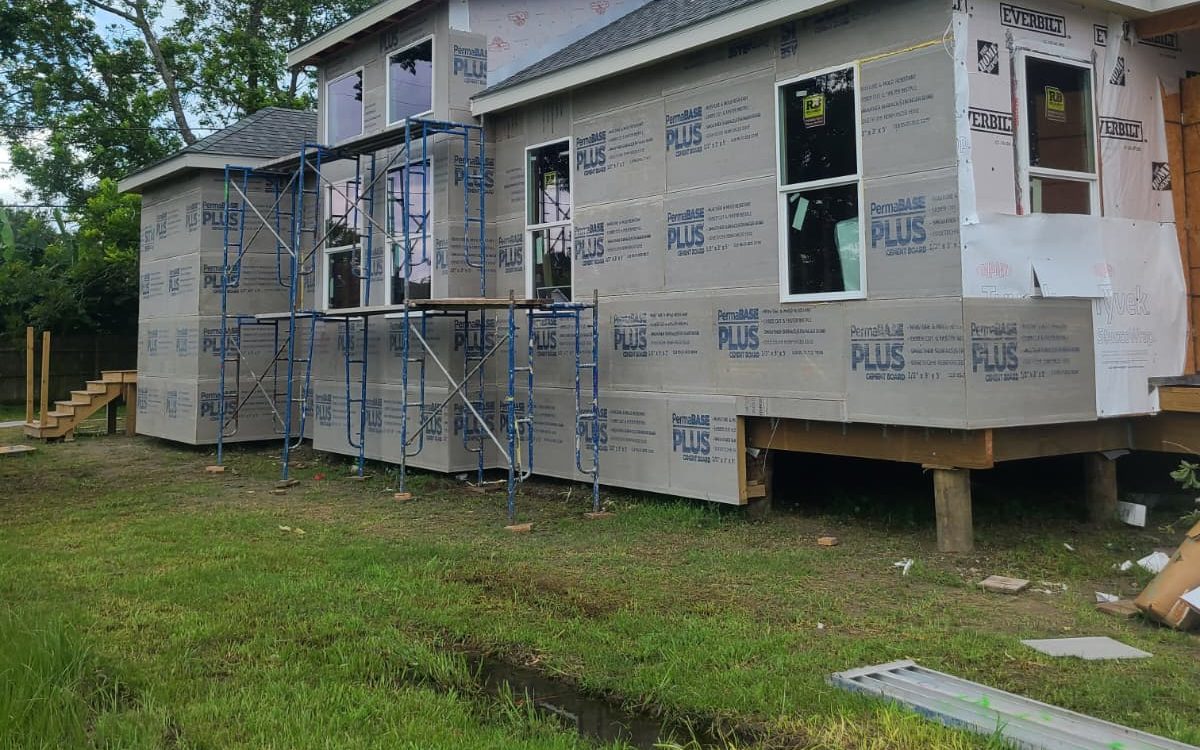
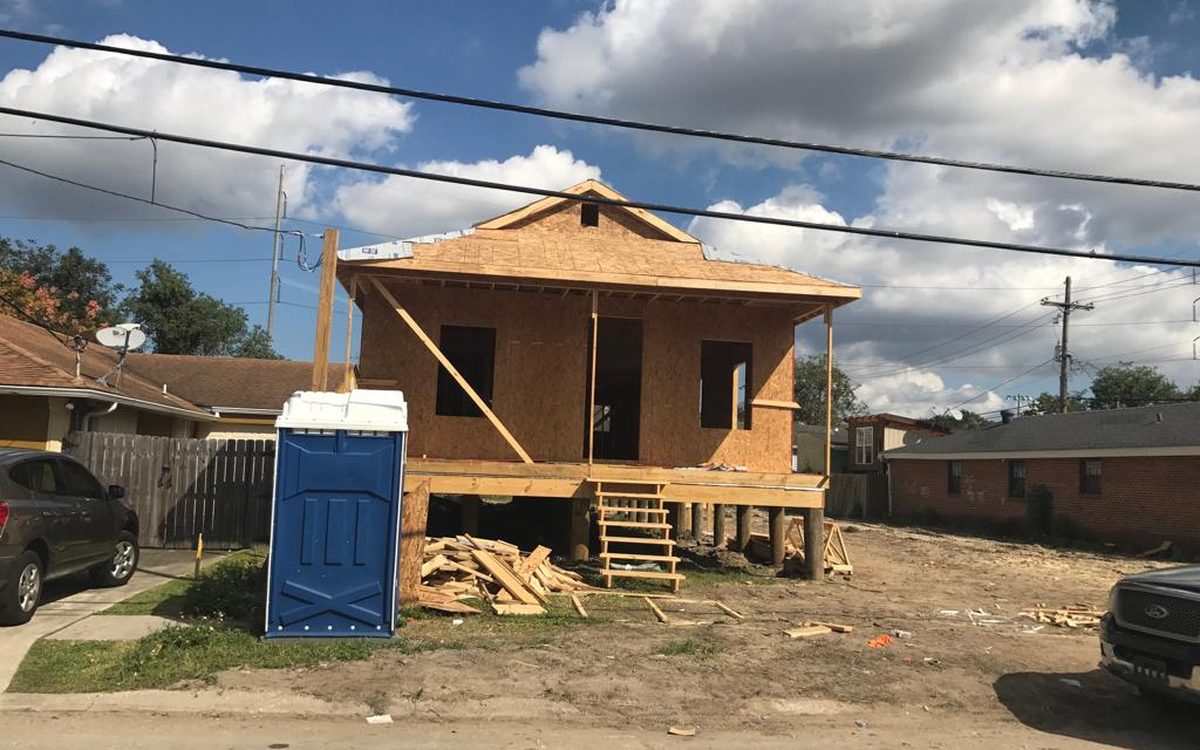
Walk the perimeter of the house. Stair-step cracks in brick, gaps where the siding meets the foundation, a chimney leaning away from the wall and cracks in the visible edge of a slab are all worth noting. On raised homes, look for piers that lean, crack or have sunk unevenly, and for sills that look crushed or soft.
Drainage clues matter just as much. Puddles that stand against the foundation after rain, downspouts that empty right beside the house and soil that has washed away from the slab edge all point to water problems that can drive movement.
Cosmetic or structural: telling the difference
Hairline cracks in a slab or in drywall at seams are often the result of normal shrinkage and seasonal movement. They are usually uniform in width, do not offset and stay stable over time.
The signs that deserve an evaluation are cracks wider than about a quarter inch, cracks where one side is higher than the other, cracks that grow over a few months, and several symptoms appearing together. A floor that drops noticeably over a short distance is also a reason to call.
What an evaluation involves
A proper assessment usually includes floor elevation readings across the house, a look at the exterior and drainage, and on raised homes an inspection of the piers, sills and beams. When the findings suggest significant movement, a structural engineer's report gives the repair a solid design.
Prevention: managing water around the house
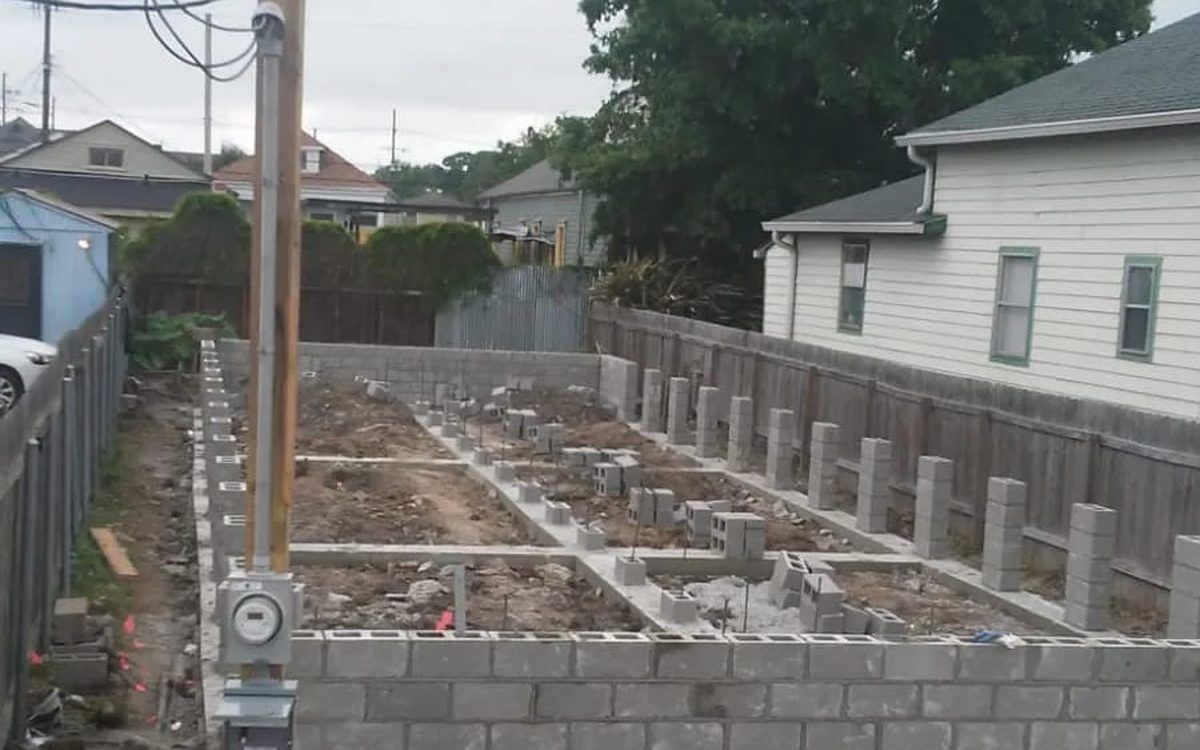
The most effective foundation maintenance is controlling water. Keep gutters clear and extend downspouts several feet from the house. Make sure soil and paving slope away from the foundation, and correct low spots where water collects after a storm.
On raised homes, keep the crawl space ventilated and free of standing water, and make sure nothing blocks the vents. Plantings and beds placed right against the foundation should be watered carefully so they do not keep one side of the house much wetter than the rest.
These steps cost little compared to structural repair, and they make any repair that is needed far more likely to last.
Common repair approaches
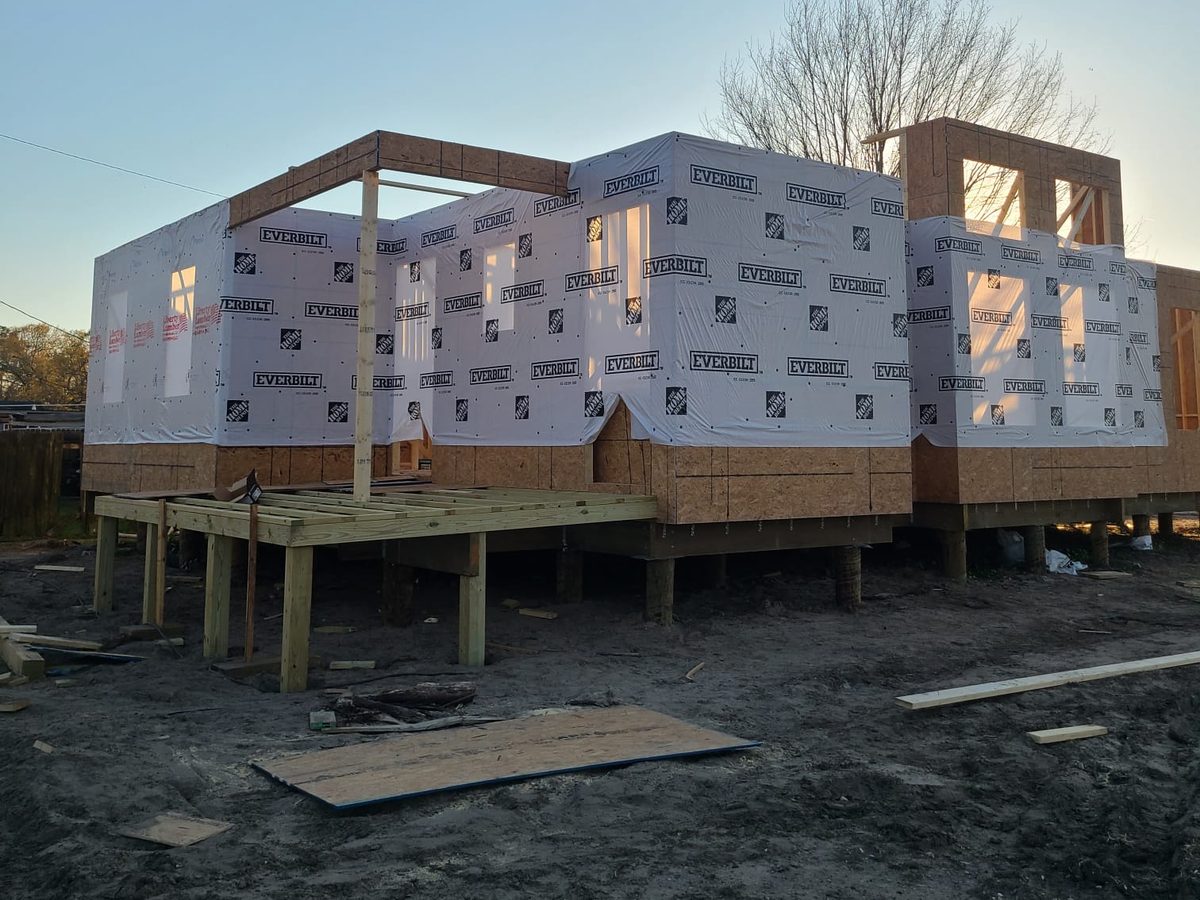
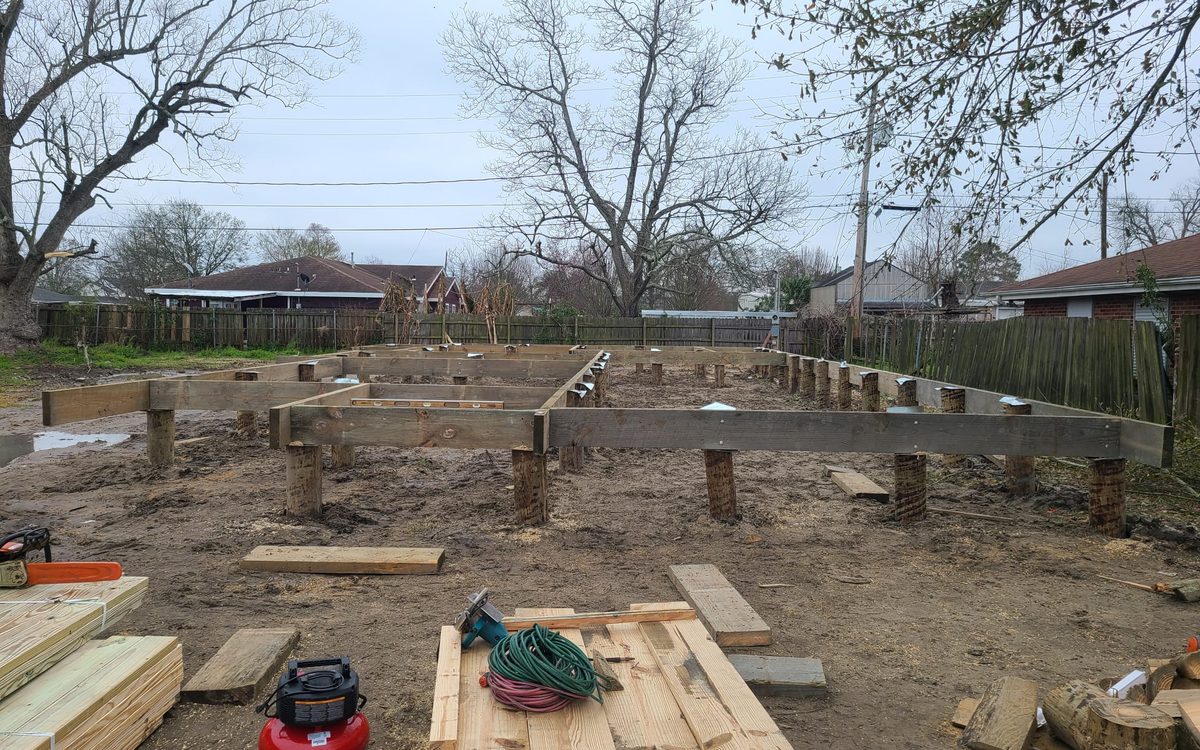
For pier-and-beam homes, repairs often involve replacing or adding piers, shimming supports to re-level the floor and repairing damaged sills or beams. These homes can usually be brought back close to level when the framing is sound.
For slab homes, repairs depend on the cause and the engineer's recommendation, and they may include deeper support under settled areas. In nearly every case, correcting drainage around the house is part of a lasting solution, because water is so often what started the movement.
Prevention: managing water around the house
The most effective foundation maintenance is controlling water. Keep gutters clear and extend downspouts several feet from the house. Make sure soil and paving slope away from the foundation, and correct low spots where water collects after a storm.
On raised homes, keep the crawl space ventilated and free of standing water, and make sure nothing blocks the vents. Plantings and beds placed right against the foundation should be watered carefully so they do not keep one side of the house much wetter than the rest.
These steps cost little compared to structural repair, and they make any repair that is needed far more likely to last.
The bottom line
Foundation movement is common in South Louisiana, but most problems give plenty of warning. Watch doors, floors and cracks, keep a simple record of changes and manage water around the house. When several signs appear together or keep getting worse, a professional assessment turns uncertainty into a clear plan and usually a simpler repair than waiting would require.
The bottom line
Foundation movement is common in South Louisiana, but most problems give plenty of warning. Watch doors, floors and cracks, keep a simple record of changes and manage water around the house. When several signs appear together or keep getting worse, a professional assessment turns uncertainty into a clear plan and usually a simpler repair than waiting would require.
Planning work like this in Metairie, Kenner or New Orleans? Learn about our foundations, concrete work services or request an estimate.
Frequently asked questions
Yes. Seasonal movement and small shrinkage cracks are common on clay soils. The concern is movement that is ongoing, uneven or severe enough to affect doors, floors and framing.
Keeping soil moisture more consistent can reduce seasonal movement in some cases, but it does not repair structural damage. Drainage corrections and professional repairs address the underlying problem.
It depends on the cause, the severity and the cost of repair. A professional evaluation before you commit gives you the information to negotiate or walk away.
Slow, stable symptoms can be monitored for a few months, but rapidly growing cracks or doors that suddenly stop closing deserve prompt attention.
Slow, stable symptoms can be monitored for a few months, but rapidly growing cracks or doors that suddenly stop closing deserve prompt attention.
Related services
Foundations
Slab and pier-and-beam foundations, re-leveling and structural repairs designed around local clay and water conditions.
View foundations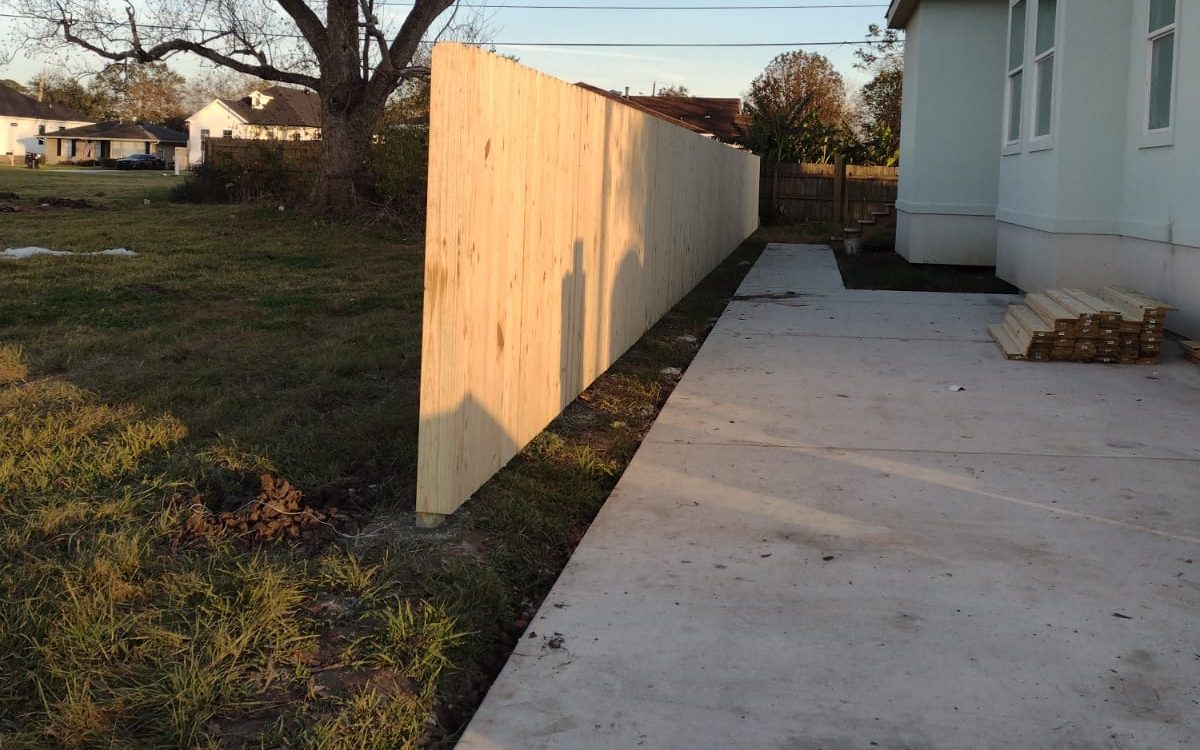
Concrete Work
Driveways, patios, sidewalks and slabs with proper base preparation, planned drainage and controlled joints.
View concrete work
Written by the Oliver Nola team
A Metairie construction and renovation company with more than 25 years of experience in new homes, foundations, roofing, siding, concrete and remodeling across the New Orleans area.