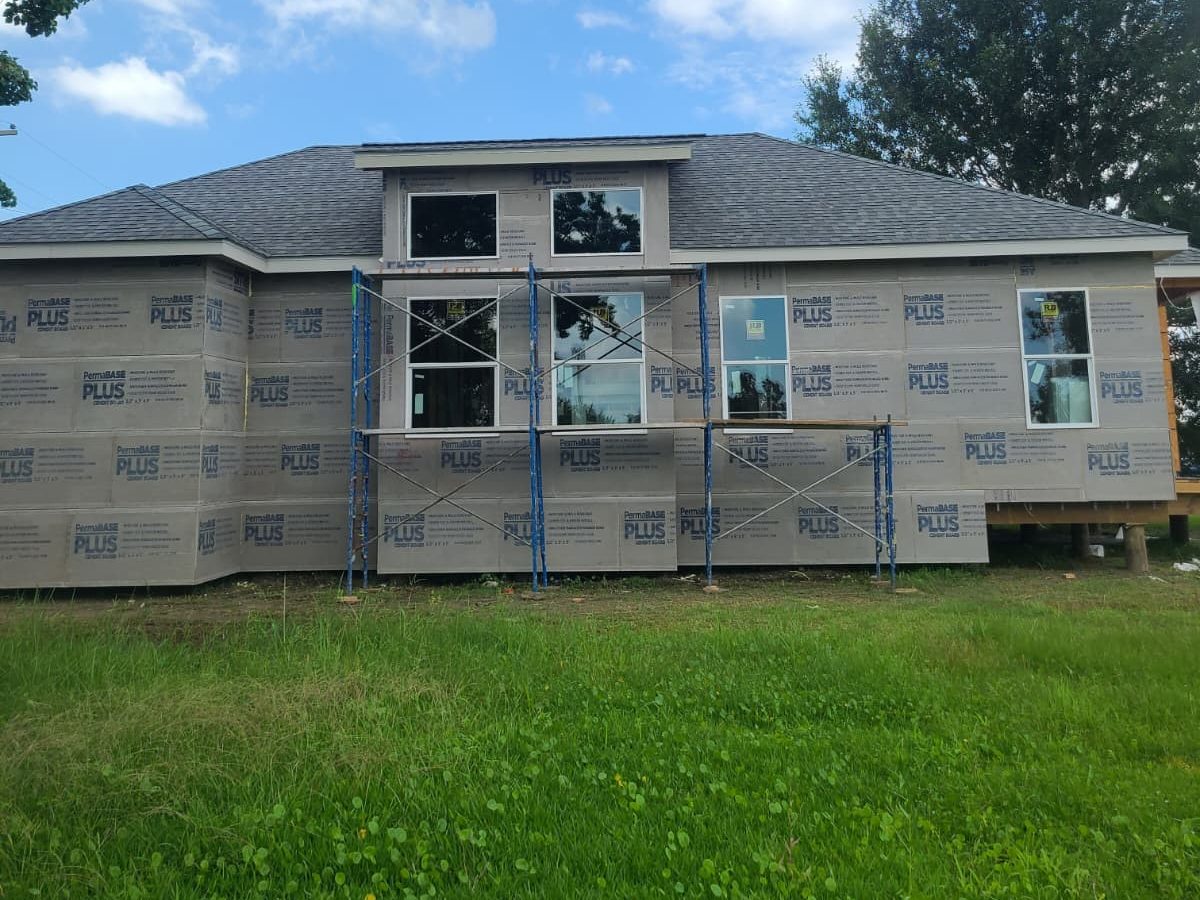
Every hurricane season, homeowners in Metairie and across Jefferson Parish look up at their roofs and wonder whether they will hold. The honest answer is that a roof's storm performance depends less on the brand on the bundle and more on dozens of installation decisions most people never see.
This guide walks through those decisions in plain language, so you can compare proposals, ask better questions and choose a roof that fits your home, your budget and the weather we actually get here.
Where roofs actually fail in high winds
Wind does not push straight down on a roof. It flows over the house and creates suction that pulls upward, strongest at the edges, the corners and the ridge. That is why storm damage so often starts with a strip of shingles peeled back at the eave or a section of drip edge bent up at a corner. Once the wind gets under the first course, it can unzip the rest.
Water then follows the path the wind opened. Even a modest loss of shingles can expose underlayment to hours of wind-driven rain, and if the underlayment is thin or poorly fastened, water reaches the deck and the ceiling below. Understanding this sequence explains why the details at the perimeter deserve so much attention.
The weak points to ask about
Ask any roofer how they handle the eaves, rakes, ridge and every wall intersection. A good answer will mention starter strips with adhesive, drip edge fastened at close intervals, sealed ridge caps and step flashing tied into the wall instead of a bead of caulk.
Choosing a roofing material for the Gulf South
Architectural asphalt shingles remain the most common choice in the area because they balance cost, appearance and wind performance. Many products carry high-wind ratings when installed with the manufacturer's enhanced nailing pattern, which typically means more nails per shingle placed in a specific zone.
Metal roofing, especially standing seam panels with concealed fasteners, is increasingly popular on new homes and raised houses. It sheds water quickly, resists wind uplift well when the clips and panels are fastened to specification, and handles heat with reflective finishes. The upfront cost is higher, and installation skill matters even more than with shingles.
Low-slope roofs over porches and additions need membrane systems designed for minimal pitch. Shingles installed below their minimum slope are a frequent source of leaks in older homes around New Orleans.
Matching material to the house
Roof pitch, the age of the framing, your budget and how long you plan to stay in the home all influence which material makes sense. There is no single best roof, only the best fit for a particular house.
The installation details that decide performance
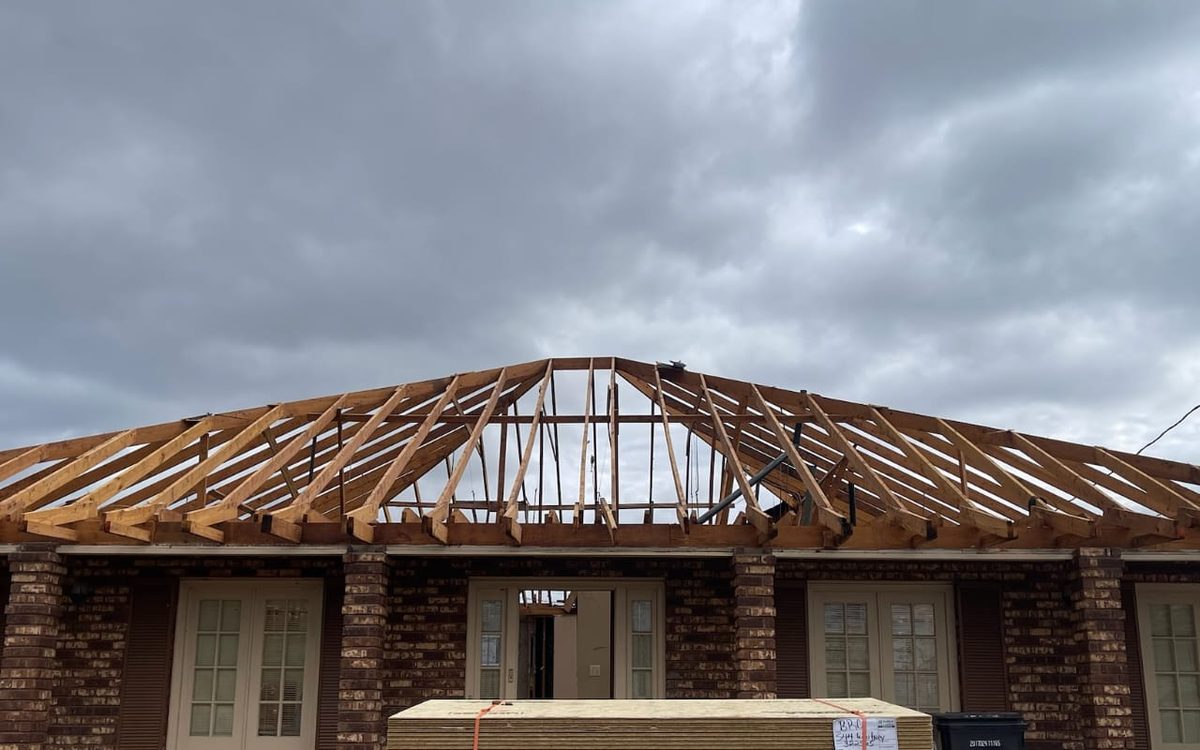
Fastening is the first detail. Nails driven too high, too low, crooked or overdriven reduce the shingle's ability to resist uplift. Crews working quickly with poorly adjusted nail guns can compromise a whole roof without anyone noticing until the first storm.
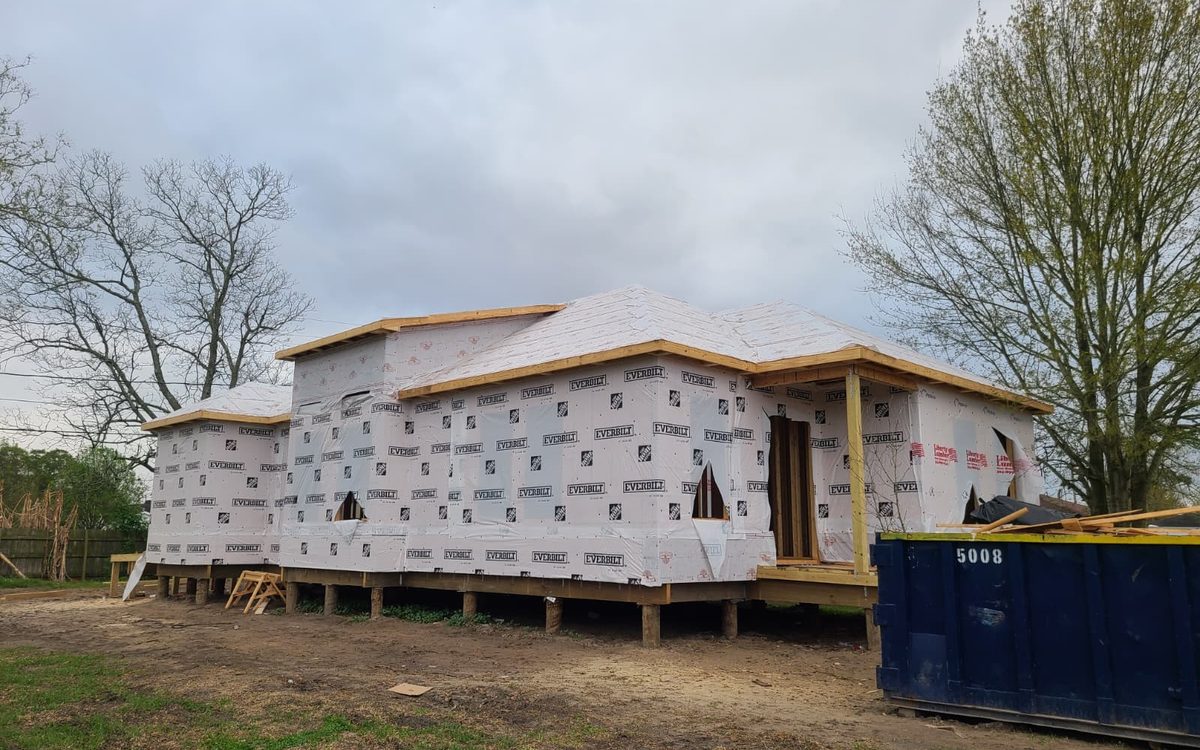
Underlayment is the second line of defense. Synthetic underlayments resist tearing better than older felt, and self-adhering leak barrier at valleys, eaves and penetrations adds protection where water concentrates. Some homeowners choose to seal the entire deck for extra security against water intrusion if shingles are lost.
Flashing is the third. Chimneys, skylights, dormers and walls all interrupt the roof plane, and each one needs metal flashing layered so water always runs over the next piece, never behind it.
Ventilation, heat and the life of your roof
South Louisiana attics can get extremely hot in summer. Without enough airflow, that heat bakes shingles from below and moisture from the living space condenses on the deck. Over years, the result is brittle shingles and soft, darkened plywood that holds fasteners poorly, which matters a great deal in the next windstorm.
A balanced system pulls fresh air in at the soffits and exhausts it at or near the ridge. Mixing different exhaust types on the same roof, or blocking soffit vents with insulation, can short-circuit that flow. A careful inspection includes the attic, not just the shingles.
Documentation and insurance
Insurance questions come up after almost every major storm, and good records make those conversations easier. Photos of the roof before and after replacement, the product information and the contractor's scope of work all help show the condition and quality of the roof if damage occurs later.
Some insurers recognize certain roofing upgrades. Ask your agent which features, if any, matter for your policy before you finalize the scope, so you can weigh the cost of an upgrade against any benefit.
Questions to ask before you sign a roofing contract
A clear proposal should state the material, the underlayment, how the deck will be inspected and repaired, the flashing approach, ventilation changes and how cleanup will be handled. If two proposals look very different in price, compare these items line by line. The lower number often leaves something out.
Ask how the crew dries in the house each day, what happens if rain arrives mid-project and how they protect landscaping. Ask about manufacturer installation requirements and how following them affects the product warranty. A contractor who answers these questions clearly is usually one who builds roofs carefully.
After the roof is on
Keep the documentation, photos and product information in one place. They help with future insurance questions, resale and any warranty conversation.
Documentation and insurance
Insurance questions come up after almost every major storm, and good records make those conversations easier. Photos of the roof before and after replacement, the product information and the contractor's scope of work all help show the condition and quality of the roof if damage occurs later.
Some insurers recognize certain roofing upgrades. Ask your agent which features, if any, matter for your policy before you finalize the scope, so you can weigh the cost of an upgrade against any benefit.
The bottom line
A hurricane-ready roof is the sum of good decisions at the edges, in the fastening, under the shingles and in the attic. Choose a material that fits your house and budget, then choose an installer who can explain each of those details clearly. That combination, more than any single product, is what keeps water out when the wind picks up.
The bottom line
A hurricane-ready roof is the sum of good decisions at the edges, in the fastening, under the shingles and in the attic. Choose a material that fits your house and budget, then choose an installer who can explain each of those details clearly. That combination, more than any single product, is what keeps water out when the wind picks up.
Planning work like this in Metairie, Kenner or New Orleans? Learn about our roofing, siding services or request an estimate.
Frequently asked questions
It can be, especially if you plan to stay in the home for many years or are building new. Metal sheds water fast and resists wind well when installed correctly, but the higher upfront cost only pays off over a long ownership period.
Some improvements, such as resealing loose shingles, upgrading ridge caps or re-fastening drip edge, can help. Major upgrades like a sealed deck or enhanced nailing are usually done during a full replacement.
Once a year is a good habit, plus a quick inspection after any major storm. Catching a lifted shingle or failing pipe boot early prevents much larger repairs.
Some insurers recognize certain features that improve wind resistance. Coverage and discounts vary by company and policy, so ask your agent before finalizing your roof scope.
Some insurers recognize certain features that improve wind resistance. Coverage and discounts vary by company and policy, so ask your agent before finalizing your roof scope.
Related services
Roofing
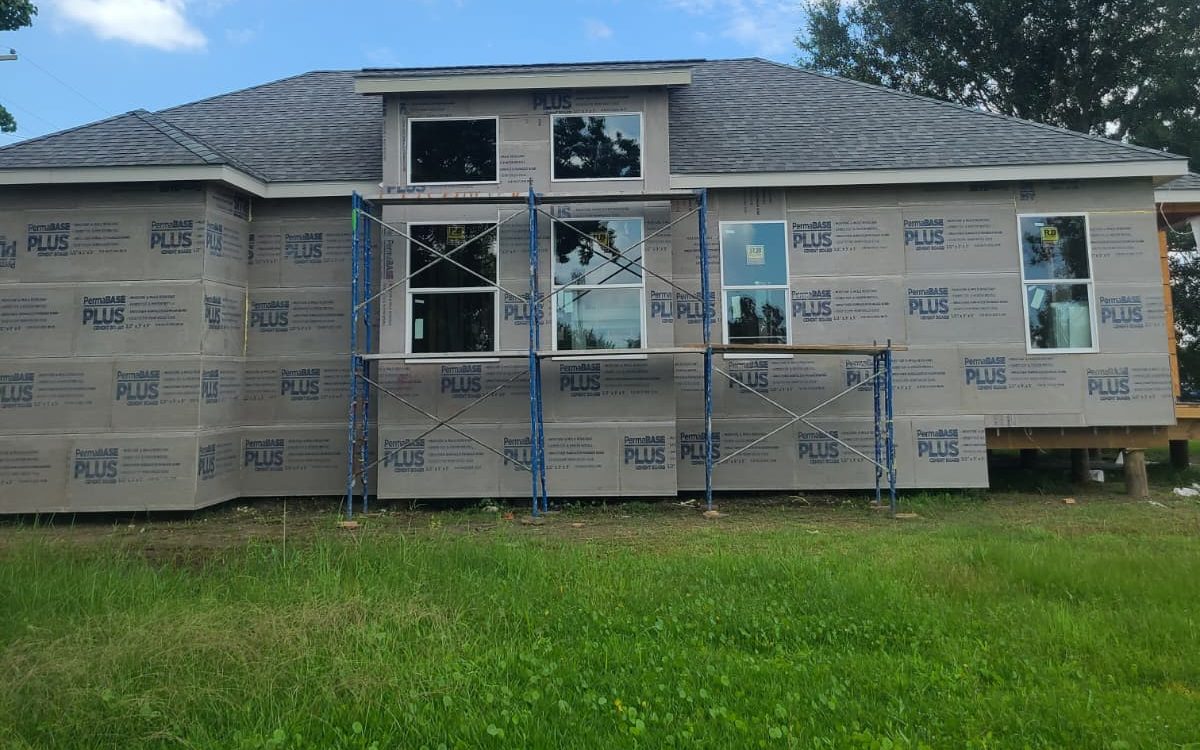
Replacements, repairs and storm response with full-system inspections, correct flashing and balanced attic ventilation.
View roofing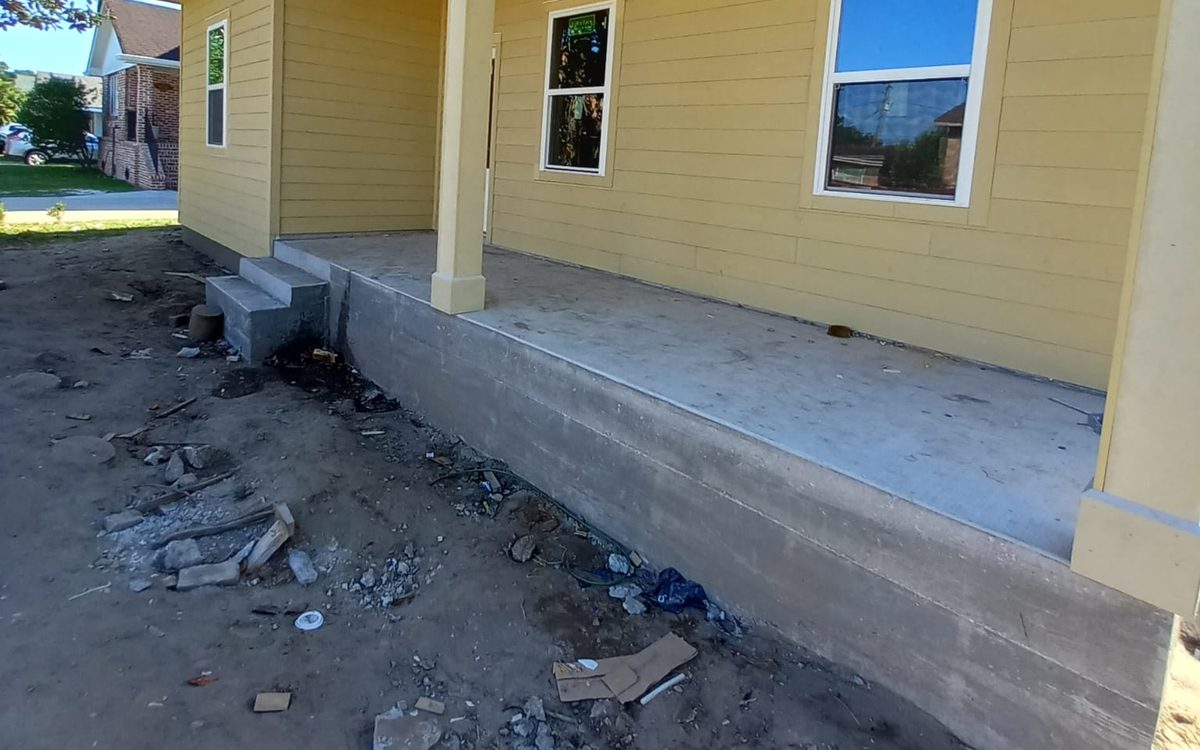
Siding
Fiber cement, vinyl and engineered wood siding over correctly lapped weather barriers and flashed openings.
View siding
Written by the Oliver Nola team
A Metairie construction and renovation company with more than 25 years of experience in new homes, foundations, roofing, siding, concrete and remodeling across the New Orleans area.