Building a new home is a series of decisions made in a particular order. Families who understand that order going in tend to make better choices, avoid expensive changes and enjoy the process far more.
This roadmap covers the stages of building a home in Metairie and the surrounding parts of Jefferson Parish, with notes on the local factors that shape each step. Every lot and every family is different, but the order of the steps is remarkably consistent. Every lot and every family is different, but the order of the steps is remarkably consistent.
Evaluating the lot
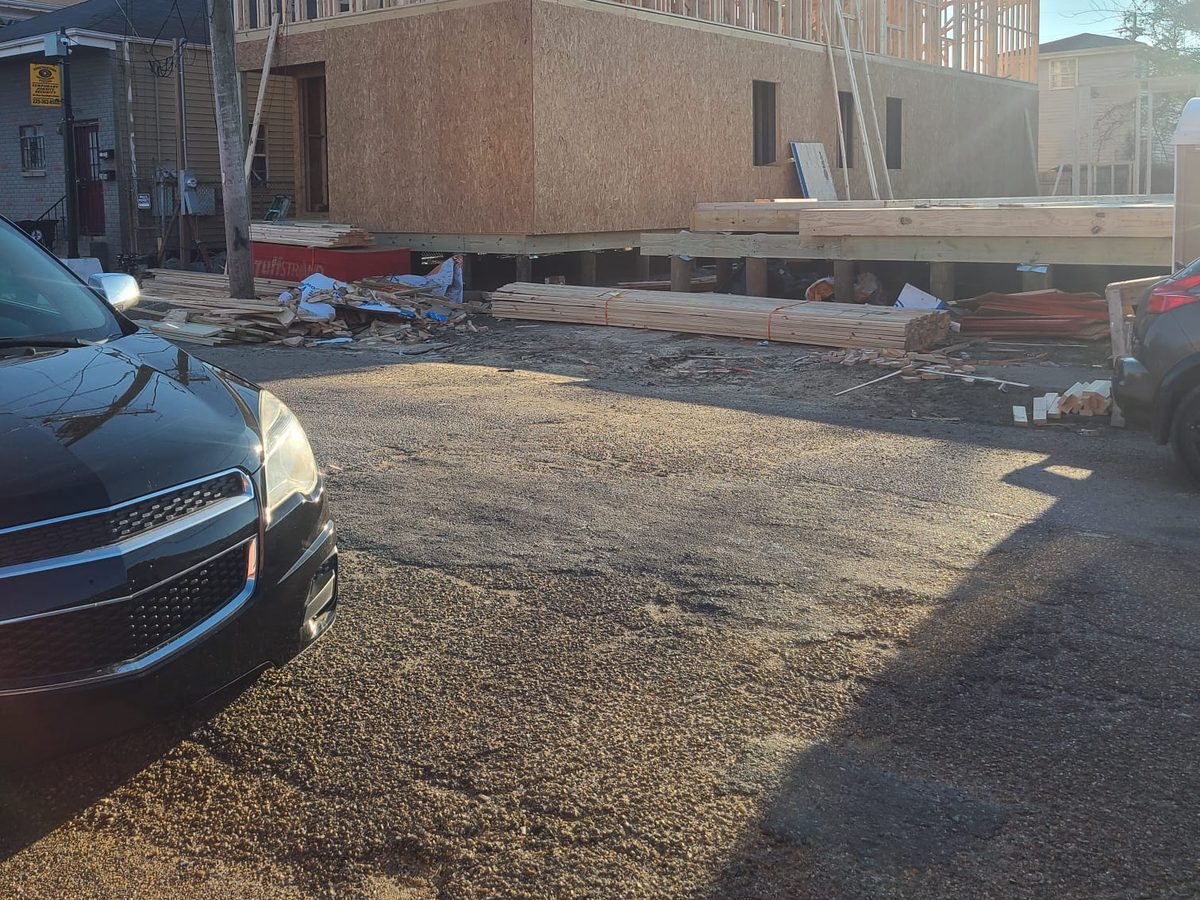
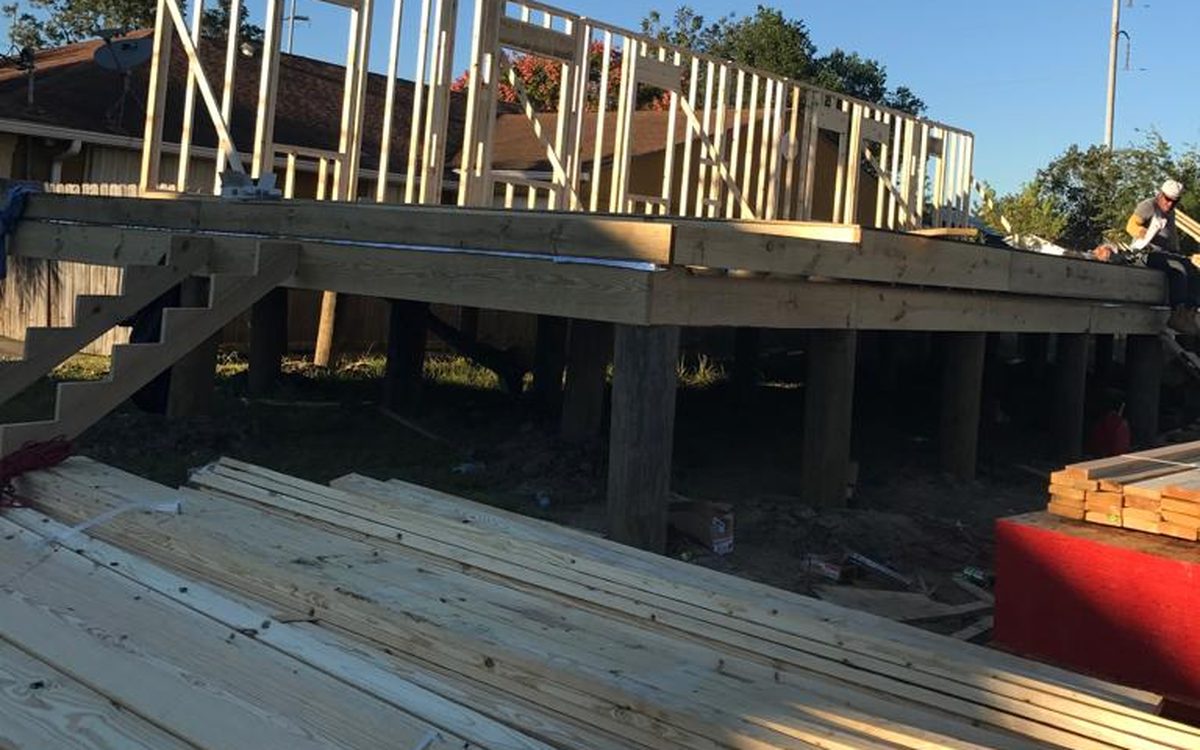
Every project starts with the land. Before buying or designing, learn the lot's flood zone designation, utilities available at the street, setbacks and any restrictions that apply. In South Louisiana, the flood designation influences how high the finished floor must sit, which affects foundation design, stairs, cost and appearance.
Soil conditions matter as well. Some lots need soil testing and engineered foundations, particularly for larger homes. Knowing this early keeps the budget grounded.
Teardowns and existing lots
If you are replacing an older house, demolition, utility disconnects and debris removal are part of the project, and the new home may need to sit higher than the old one.
Design and plans
Plans may come from an architect, a residential designer or a stock plan adapted to your lot. Whatever the source, they should reflect the local wind and flood requirements and include the structural details a builder needs to price accurately.
This is the right time to involve your builder. A review of the plans before they are final can identify details that are costly to build, suggest simpler alternatives and confirm the design fits the budget.
Budget, estimate and contract
An itemized estimate shows what is included in each phase, the allowances for items you will select later and what is excluded. Comparing estimates line by line, rather than by the total, reveals real differences in scope.
The contract should describe the scope, the payment schedule, how changes are handled and the expected timeline. Clear documents protect everyone and make the build smoother.
Permits and approvals
Building permits in Jefferson Parish require plan review before construction begins. Depending on the property, you may also need elevation documentation and other approvals. Review times vary, so permitting belongs in the schedule from the start.
Inspections then happen at key points during construction, such as foundation, framing, rough-ins and final. Each one must pass before the work it covers is closed up.
Who handles the paperwork
Most families rely on their builder to prepare and submit the permit package and schedule inspections, staying informed without managing each step.
The build, phase by phase
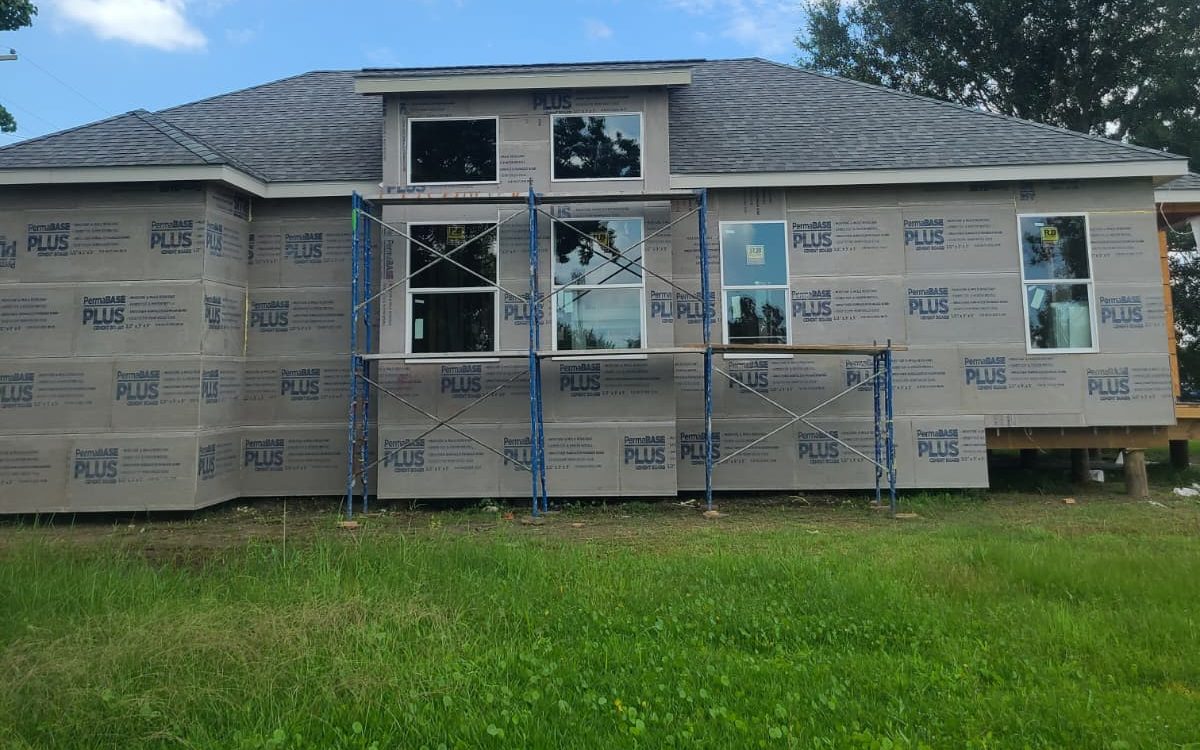
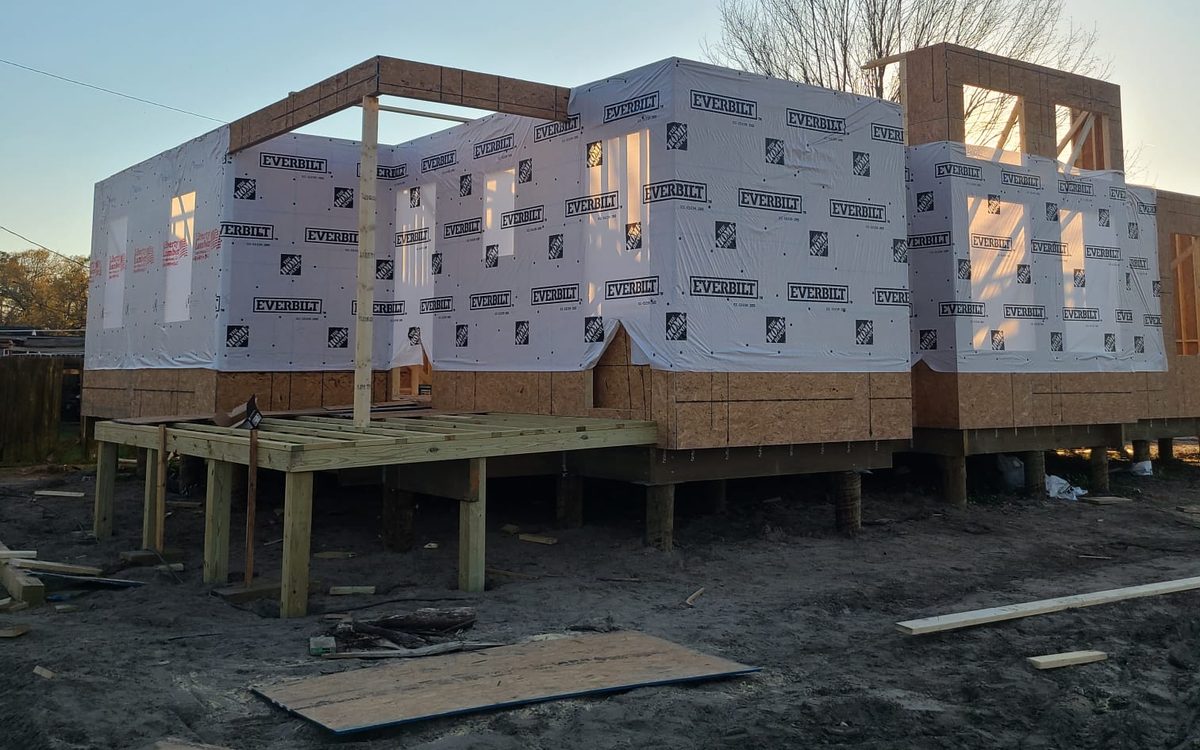
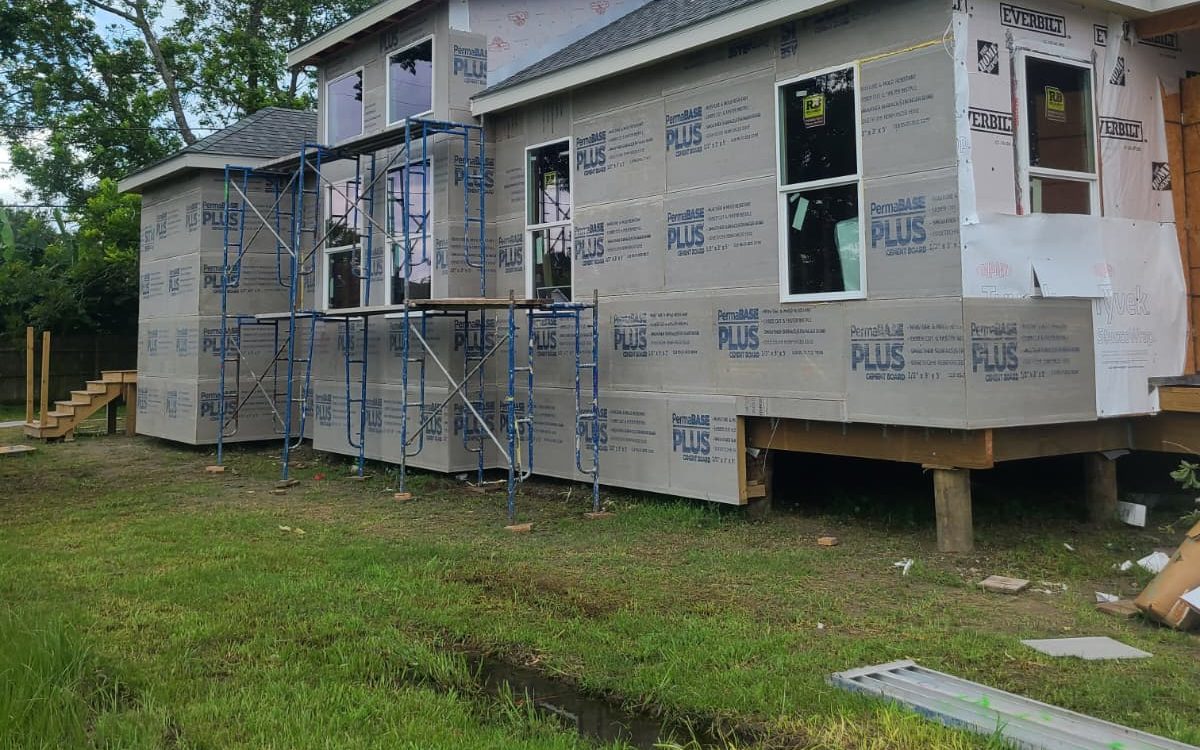
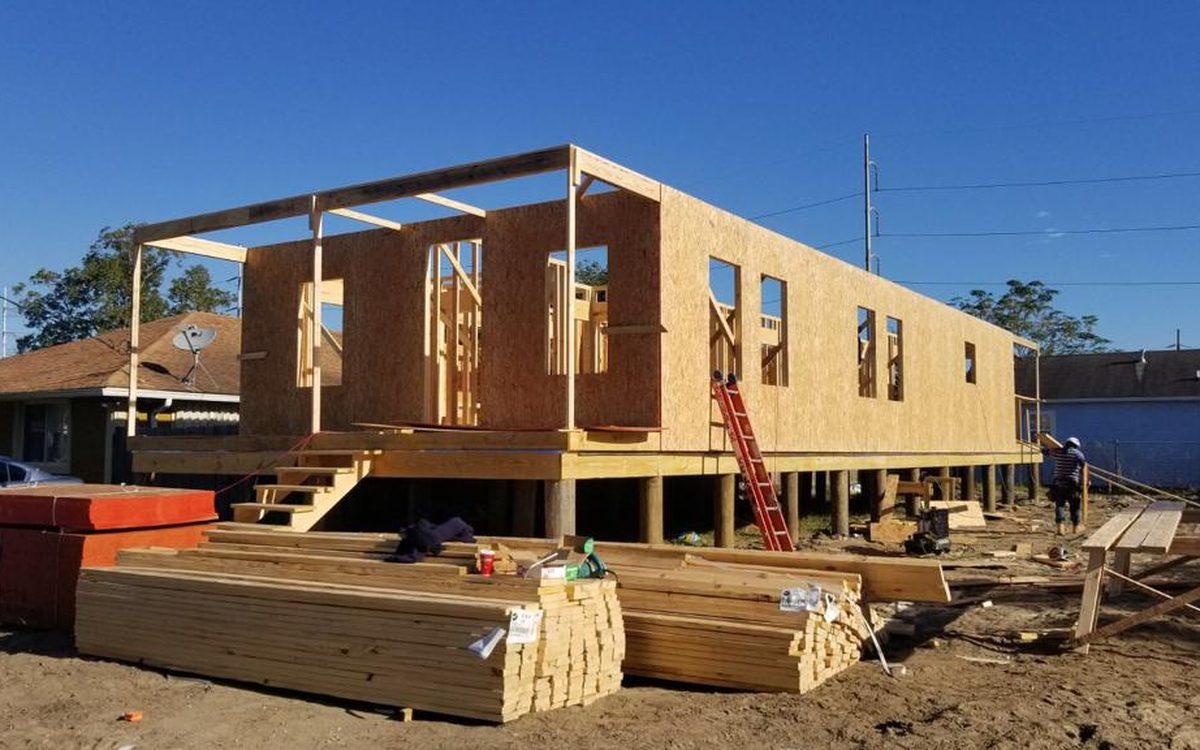
Site preparation and the foundation come first, followed by framing, roof dry-in and windows. Mechanical rough-ins for plumbing, electrical and HVAC follow, then insulation and drywall. Interior finishes, exterior siding and trim, driveways and landscaping complete the home.
Walkthroughs at the end of major phases let you see the structure before it is hidden and confirm details like outlet locations and blocking for wall-mounted items.
Making selections without slowing the build
Choosing finishes is one of the most enjoyable parts of building, and one of the most common causes of delays. Flooring, cabinets, countertops, tile, plumbing fixtures, lighting and paint all need to be decided in time for ordering.
Ask your builder for a selections schedule that shows when each decision is needed. Making choices early, within the allowances in your contract, keeps the schedule moving and makes the budget easier to track.
Building with storms in mind
New construction is the best opportunity to build resilience into a home. Roof-to-wall connections, sheathing fastening, impact-rated openings where appropriate, a well-detailed roof and an elevated finished floor all improve how a house handles the storms that reach the Gulf Coast.
Discuss these options during design, when they are least expensive to include. Some are required by code; others are upgrades worth weighing against your budget and how long you plan to stay in the home.
Final walkthrough and move-in
Before closing out, walk the whole house with your builder and create a punch list of items to adjust. Collect warranty information for appliances, roofing, windows and systems, and ask for a simple maintenance schedule.
The first year in a new home often reveals small adjustments, such as doors settling or minor drywall cracks as the framing dries. Knowing who to call keeps those details simple.
Making selections without slowing the build
Choosing finishes is one of the most enjoyable parts of building, and one of the most common causes of delays. Flooring, cabinets, countertops, tile, plumbing fixtures, lighting and paint all need to be decided in time for ordering.
Ask your builder for a selections schedule that shows when each decision is needed. Making choices early, within the allowances in your contract, keeps the schedule moving and makes the budget easier to track.
Building with storms in mind
New construction is the best opportunity to build resilience into a home. Roof-to-wall connections, sheathing fastening, impact-rated openings where appropriate, a well-detailed roof and an elevated finished floor all improve how a house handles the storms that reach the Gulf Coast.
Discuss these options during design, when they are least expensive to include. Some are required by code; others are upgrades worth weighing against your budget and how long you plan to stay in the home.
The bottom line
Building a new home in Jefferson Parish is a long project, but it follows a dependable order: evaluate the lot, design for local conditions, price the plans carefully, secure permits, build in phases and close out with a thorough walkthrough. Families who plan each step in that order spend less time reacting and more time enjoying the process.
The bottom line
Building a new home in Jefferson Parish is a long project, but it follows a dependable order: evaluate the lot, design for local conditions, price the plans carefully, secure permits, build in phases and close out with a thorough walkthrough. Families who plan each step in that order spend less time reacting and more time enjoying the process.
Planning work like this in Metairie, Kenner or New Orleans? Learn about our new construction, foundations services or request an estimate.
Frequently asked questions
From lot evaluation and design through construction, many families should plan for more than a year. Construction itself commonly takes eight to twelve months for a typical single-family home.
Not always. Many homes are built from residential designer plans or adapted stock plans. Complex or custom designs often benefit from an architect.
Site and foundation costs, especially on lots that need elevation or engineered foundations. Evaluating the lot early reduces that risk.
Yes. Elevated foundations are common in the area. The required height and foundation type depend on the flood designation and the engineering for your lot.
Yes. Elevated foundations are common in the area. The required height and foundation type depend on the flood designation and the engineering for your lot.
Related services
New Construction
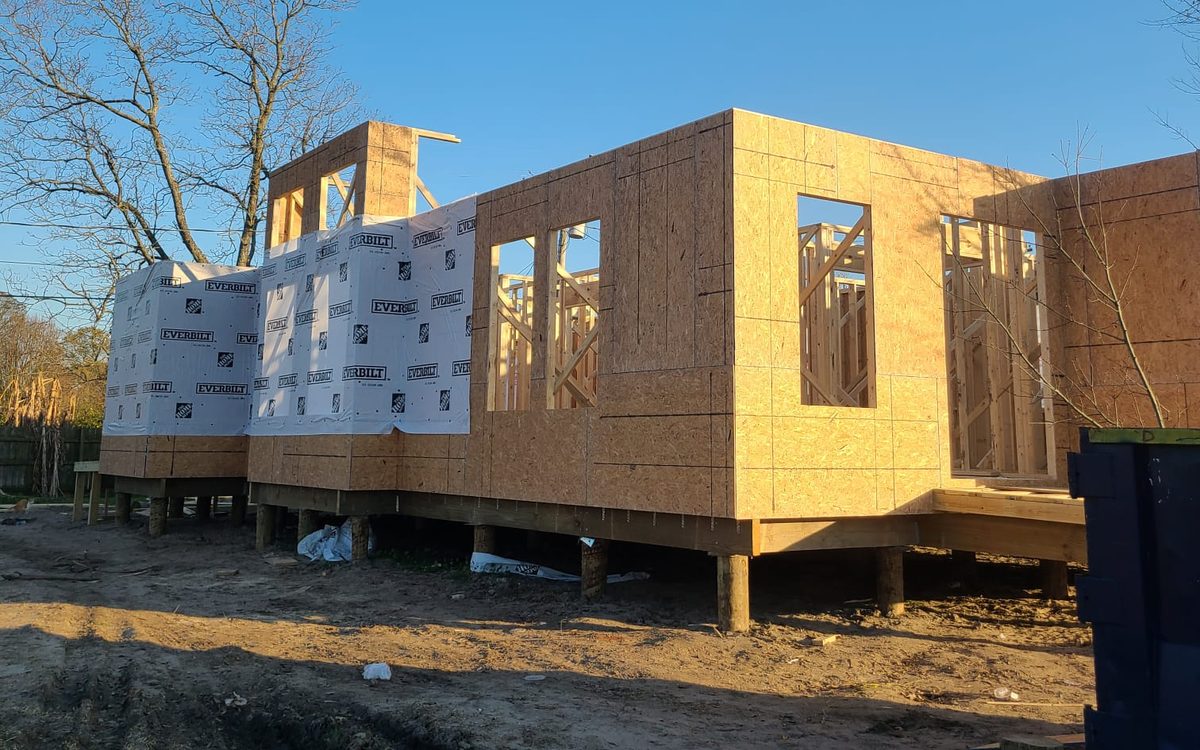
Custom homes and large additions built from the foundation up, with phase walkthroughs and a schedule you can follow.
View new construction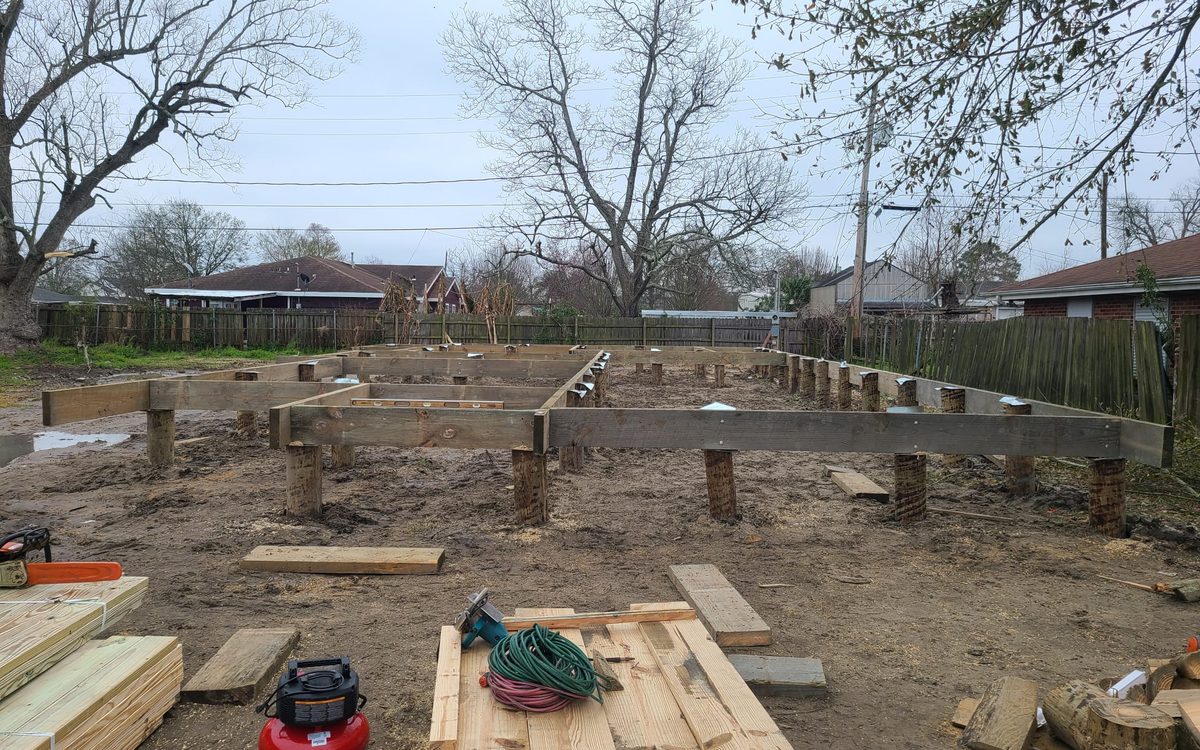
Foundations
Slab and pier-and-beam foundations, re-leveling and structural repairs designed around local clay and water conditions.
View foundations
Written by the Oliver Nola team
A Metairie construction and renovation company with more than 25 years of experience in new homes, foundations, roofing, siding, concrete and remodeling across the New Orleans area.